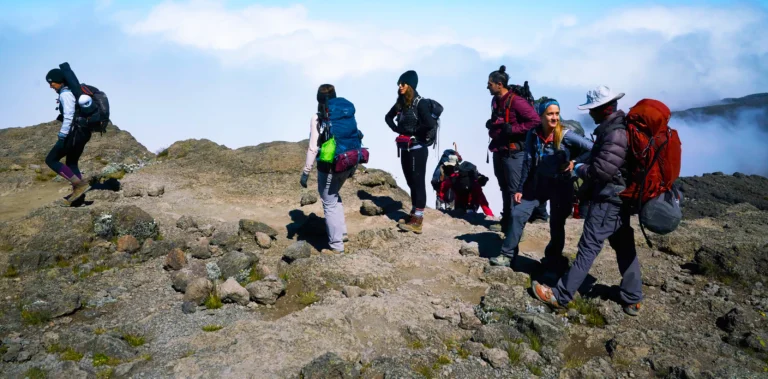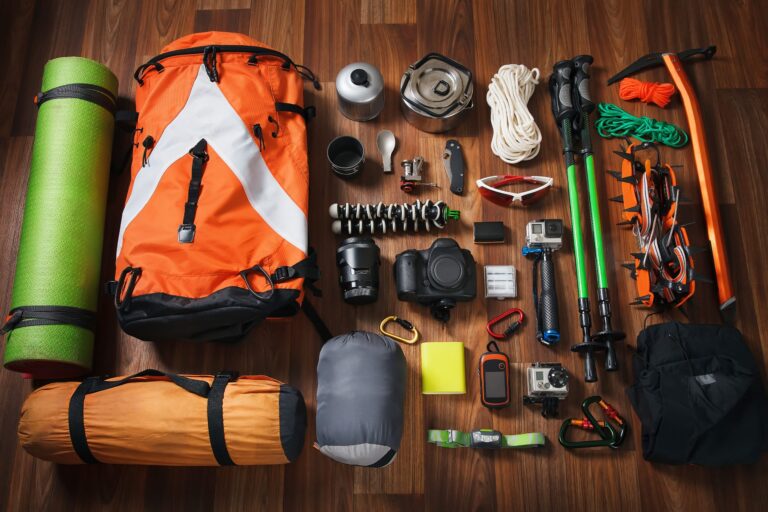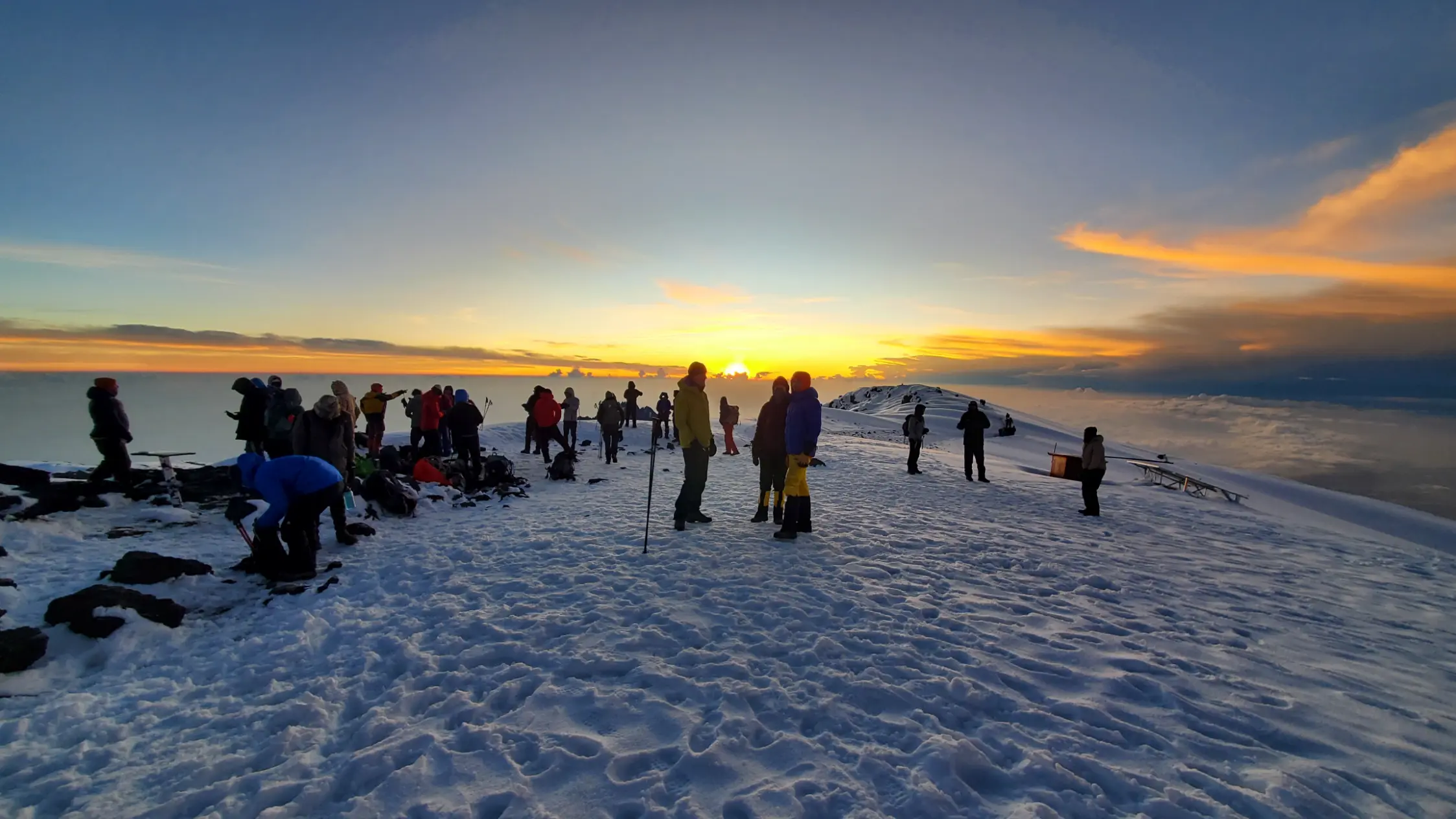
Climbing Mount Kilimanjaro is often described as “non-technical but highly challenging,” a phrase that captures both the accessibility and the seriousness of the journey. Standing at 5,895 meters (19,341 feet), Mount Kilimanjaro is the highest free-standing mountain in the world and the tallest peak in Africa. While you do not need technical climbing skills like ropes or ice axes on most routes, the difficulty comes from a combination of altitude, endurance, weather, and mental resilience.
The Real Challenge: Altitude, Not Technical Climbing
Unlike mountaineering peaks that require advanced climbing techniques, Kilimanjaro is essentially a trekking mountain. The paths are walkable, and thousands of climbers attempt the summit every year. However, the greatest difficulty lies in altitude sickness. As you ascend above 3,000 meters, oxygen levels drop significantly, and the body must adapt.
Many climbers underestimate how quickly altitude affects performance. Symptoms such as headache, nausea, dizziness, fatigue, and loss of appetite are common. In severe cases, altitude sickness can force climbers to descend before reaching the summit. This is the number one reason for unsuccessful attempts.
Physical Fitness Requirements
You do not need to be an elite athlete to climb Kilimanjaro, but a good level of fitness is essential. The trek involves long walking days, typically 5 to 8 hours per day, and summit day can take 10 to 14 hours of continuous hiking.
Endurance training such as hiking, jogging, stair climbing, and strength conditioning greatly improves your chances of success. More important than speed is stamina—being able to walk steadily for many hours while coping with steep inclines and uneven terrain.
Weather Conditions and Terrain Difficulty
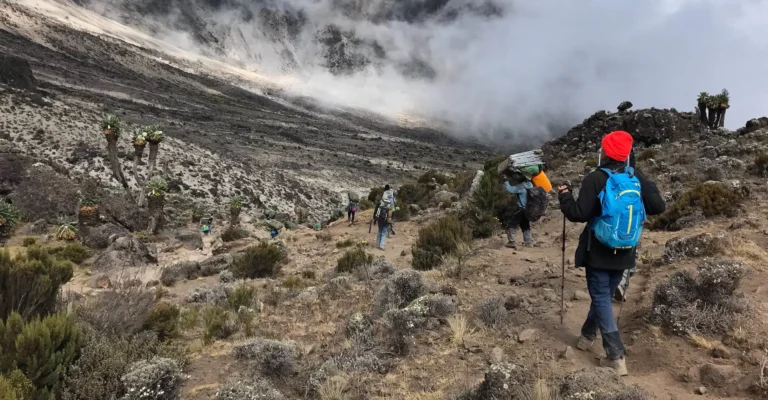
The difficulty of climbing Mount Kilimanjaro also depends heavily on weather conditions. The mountain has several climate zones, ranging from tropical rainforest at the base to arctic conditions at the summit.
Climbers may experience intense heat in the lower zones, heavy rain in the forest, and freezing temperatures with strong winds near the summit. Trails can become muddy, slippery, or icy depending on the season, adding to the physical demand.
Route Choice Matters
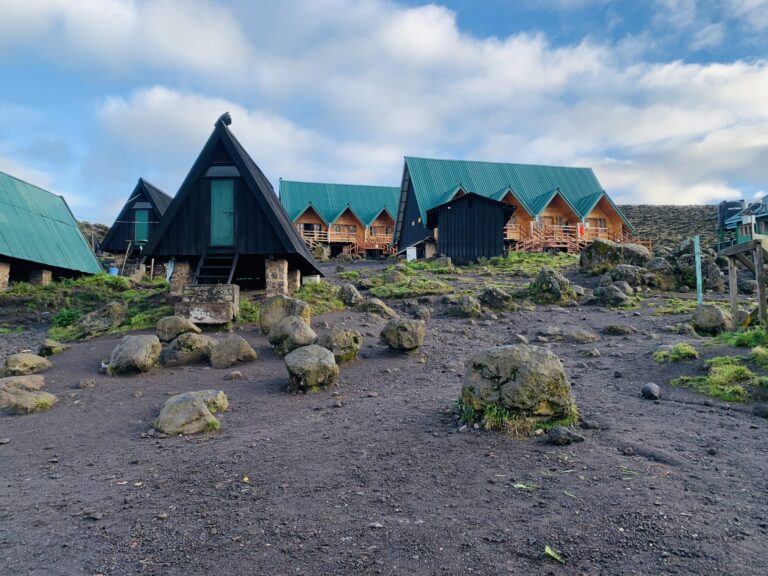
Different routes offer different levels of difficulty. Shorter routes like Marangu (5–6 days) are often considered more challenging for acclimatization because of the rapid ascent. Longer routes such as Lemosho and Northern Circuit provide better acclimatization and therefore higher success rates, although they require more days of trekking.
In general, the longer the route, the easier the climb becomes in terms of altitude adjustment—but it demands more time, endurance, and budget.
Mental Strength and Endurance
One of the most underestimated aspects of Kilimanjaro’s difficulty is mental resilience. The climb is not technically dangerous, but it is physically exhausting and mentally draining. Long hours of walking, cold nights, and reduced oxygen levels test motivation and determination.
The summit push, usually starting around midnight, is especially tough. Climbers ascend in darkness, extreme cold, and thin air, reaching Uhuru Peak just as the sun rises. This final section is where mental strength becomes more important than physical power.
Success Rate and What It Means
Success rates vary depending on route and duration. Shorter climbs may have success rates below 60%, while longer, well-paced itineraries can exceed 85–90%. The key factors influencing success include acclimatization time, guide experience, hydration, and pacing.
Good operators emphasize the “pole pole” (slowly slowly) approach, which is essential for safe acclimatization and summit success.
Climbing Kilimanjaro is not a technical expedition, but it is a serious endurance challenge that should not be underestimated. The difficulty lies not in climbing skills, but in how your body responds to high altitude and sustained physical effort.
With proper preparation, a well-planned itinerary, and the right mindset, reaching the summit of Mount Kilimanjaro becomes an achievable and life-changing adventure rather than an extreme mountaineering feat.