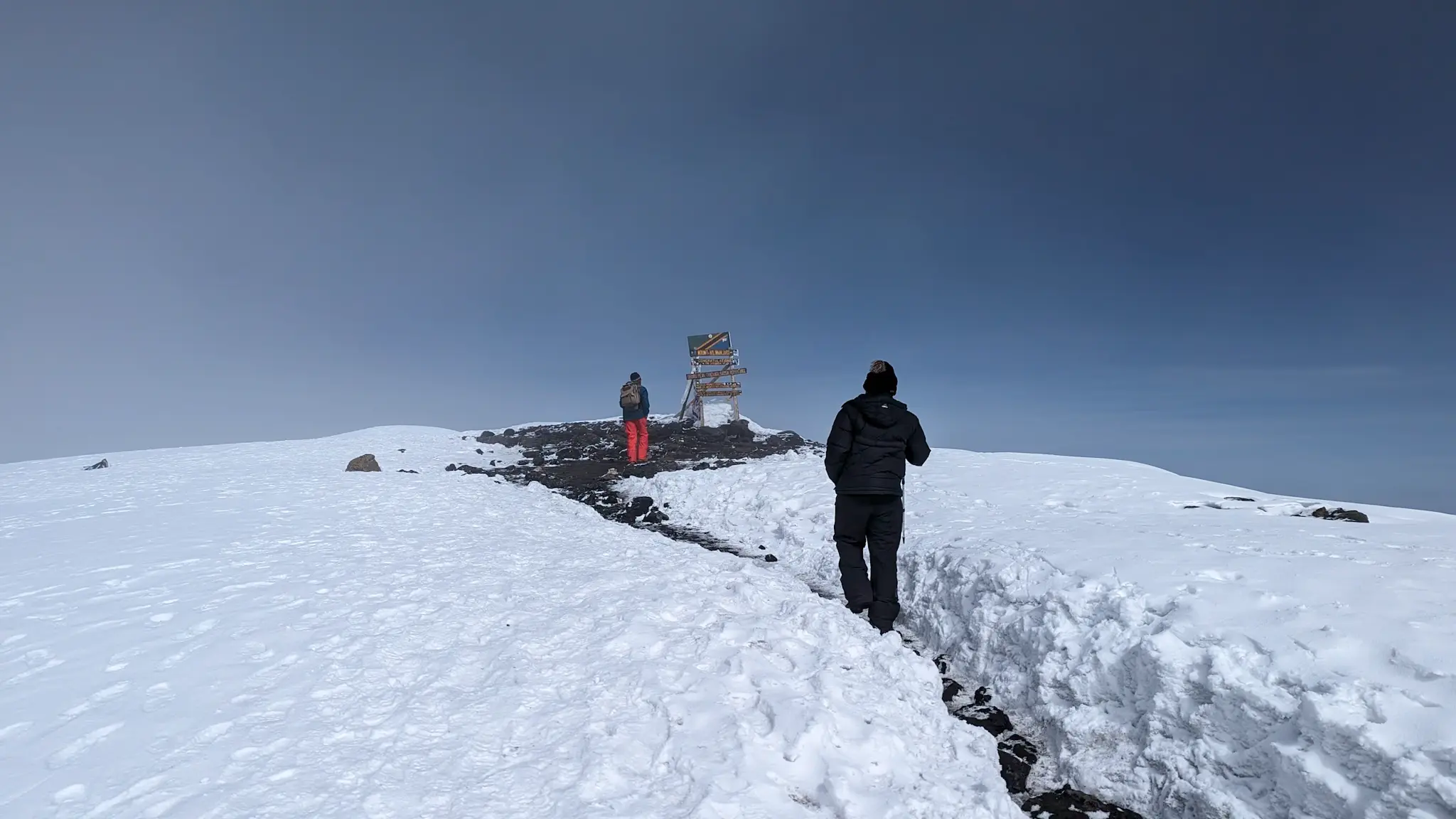
Preparing for a climb of Mount Kilimanjaro is not just about fitness—it is a combination of physical conditioning, mental readiness, proper gear selection, and understanding how high-altitude trekking works. Although Kilimanjaro is a non-technical mountain (meaning you don’t need ropes or climbing experience), it is still a serious endurance challenge that demands preparation weeks or even months in advance.
Understanding the Challenge Before You Start
Before anything else, it is important to understand what you are preparing for. Mount Kilimanjaro stands at 5,895 meters, where oxygen levels are significantly lower than at sea level. Most climbers do not struggle because of steep climbing skills, but because of altitude, fatigue, and long trekking days.
Preparation, therefore, is less about “climbing technique” and more about preparing your body and mind to function efficiently in low-oxygen conditions for several consecutive days.
Physical Fitness Preparation
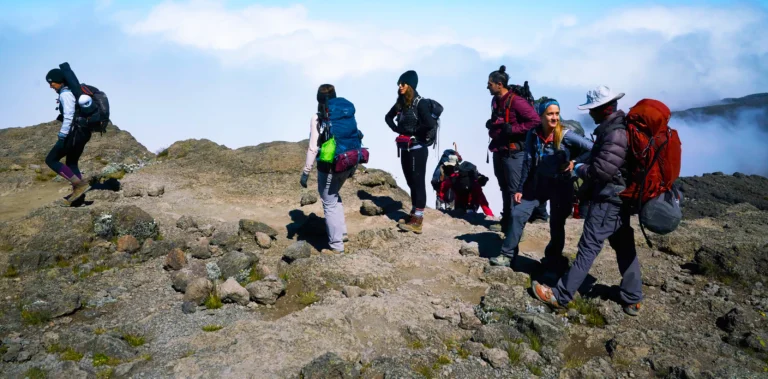
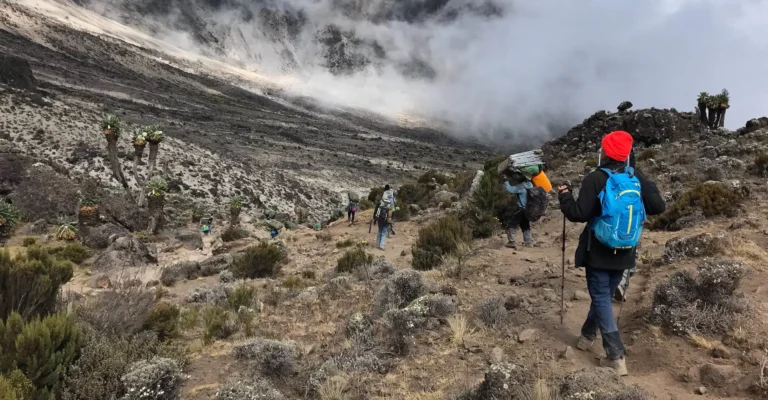
You don’t need to be an athlete to climb Kilimanjaro, but you must have solid endurance fitness. The climb involves walking 5 to 8 hours per day, and summit day can stretch to 12–14 hours of continuous hiking.
A good training plan should start at least 6–10 weeks before the climb and include:
- Cardiovascular training: Running, cycling, swimming, or brisk walking to build stamina
- Hiking practice: Long hikes on weekends (preferably on hills or mountains)
- Stair climbing: Helps simulate uphill trekking conditions
- Strength training: Focus on legs, core, and back to support long trekking days
The goal is not speed, but endurance—being able to keep moving steadily for long hours.
Acclimatization Awareness
One of the most important parts of preparation is understanding altitude sickness. Many climbers underestimate how quickly the body reacts above 3,000 meters.
To prepare your body:
- Learn symptoms of altitude sickness (headache, nausea, dizziness, fatigue)
- Understand the importance of slow ascent (“pole pole” – slowly slowly)
- Choose longer routes (7–9 days) for better acclimatization
- Stay hydrated before and during the trek
Good preparation includes mental readiness to slow down and respect altitude rather than rushing to the summit.
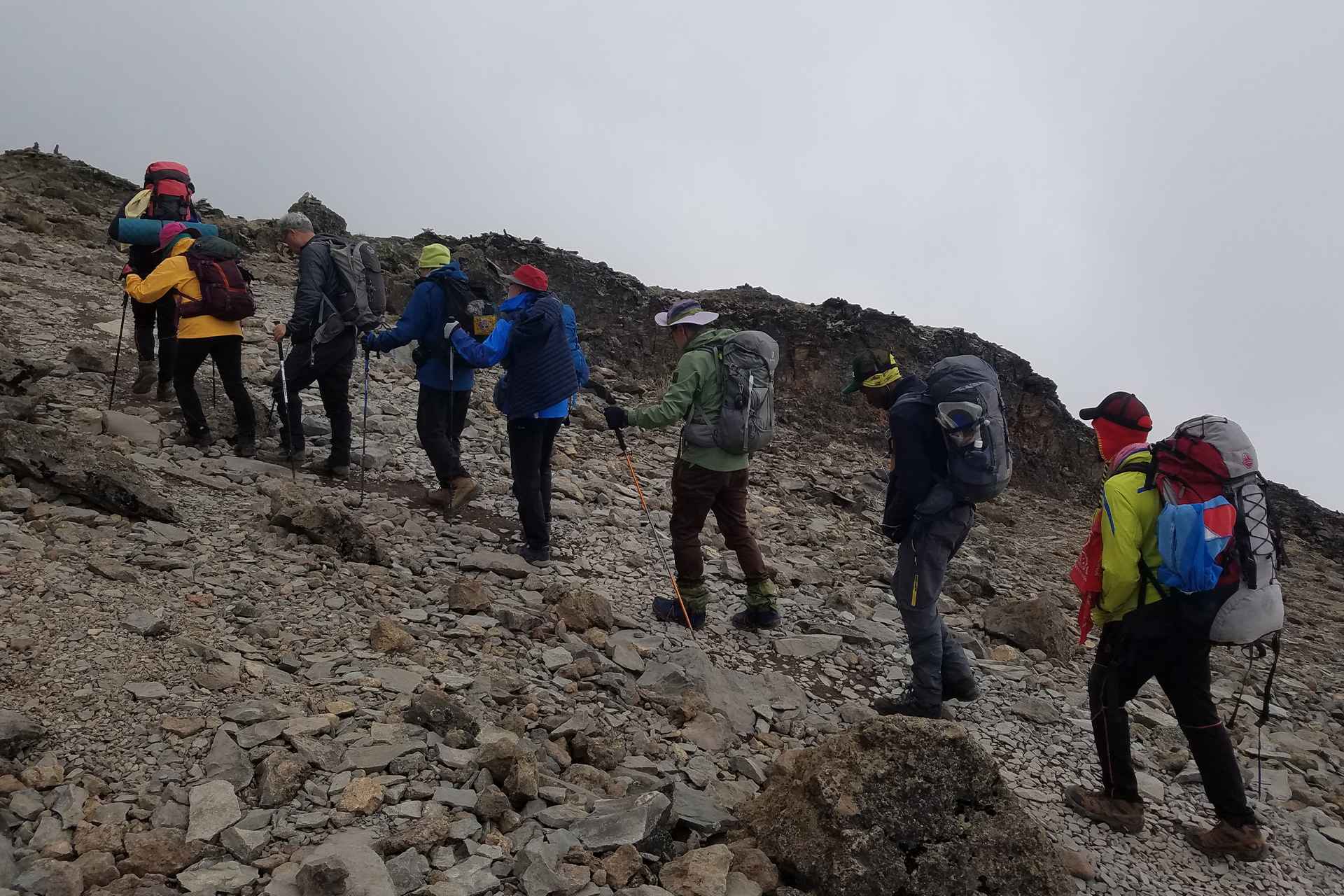
Essential Gear Preparation
Having the right gear can make the difference between comfort and struggle on the mountain. Weather conditions on Mount Kilimanjaro vary dramatically—from hot rainforest to freezing summit temperatures.
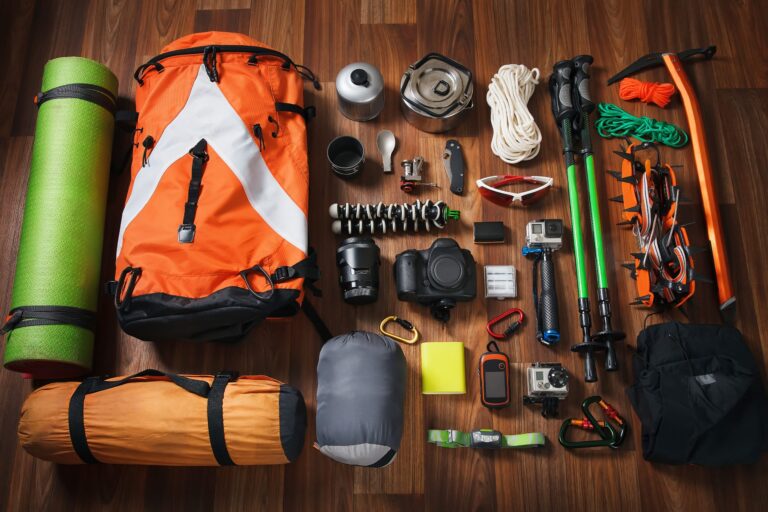
Key equipment includes:
- Layered clothing system: Base layer, insulation layer, and waterproof outer shell
- Warm jacket (down or synthetic): Essential for summit night
- Hiking boots: Waterproof, broken-in, and comfortable
- Sleeping bag: Rated for sub-zero temperatures
- Headlamp: Needed for the midnight summit push
- Trekking poles: Reduce pressure on knees during ascent and descent
- Gloves, hat, and thermal wear: Crucial for cold conditions
Proper gear preparation should be done early so you have time to test everything before departure.
Mental Preparation
Mental strength is just as important as physical fitness. Kilimanjaro is not technically difficult, but it is mentally demanding due to long walking days, changing weather, and altitude effects.
To prepare mentally:
- Expect slow progress and avoid rushing
- Accept discomfort as part of the journey
- Stay positive during long summit night hours
- Focus on one step at a time instead of the entire climb
Many climbers succeed not because they are the strongest, but because they remain mentally steady when conditions become tough.
Health and Medical Preparation
Before climbing, it is recommended to:
- Have a general health check-up
- Ensure vaccinations are up to date (depending on travel requirements)
- Discuss altitude medication (such as acetazolamide) with a doctor if necessary
- Carry a personal first aid kit for minor issues
Good health preparation ensures you start the climb in the best possible condition.
Choosing the Right Route
Preparation also involves selecting the right route. Longer routes like Lemosho or Northern Circuit give your body more time to adjust and significantly increase your chances of reaching the summit of Mount Kilimanjaro.
Shorter routes may save time but require better fitness and increase the risk of altitude-related problems.
Final Thoughts
Preparing for Kilimanjaro is about building endurance, understanding altitude, and equipping yourself properly—not about technical climbing skills. With the right preparation, the challenge becomes manageable and highly rewarding.
Reaching the summit of Mount Kilimanjaro is not just about strength—it is about preparation, patience, and respect for the mountain.