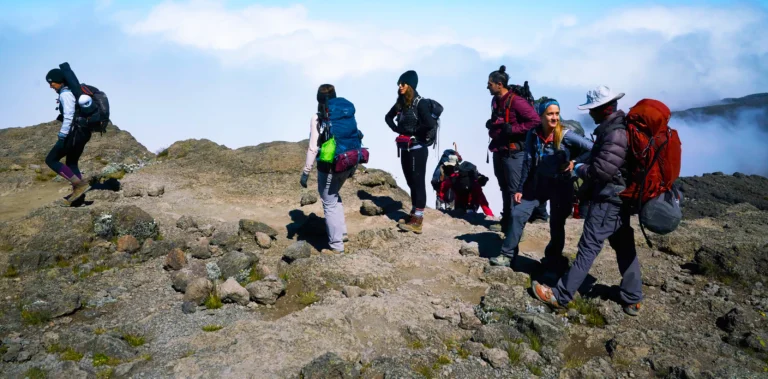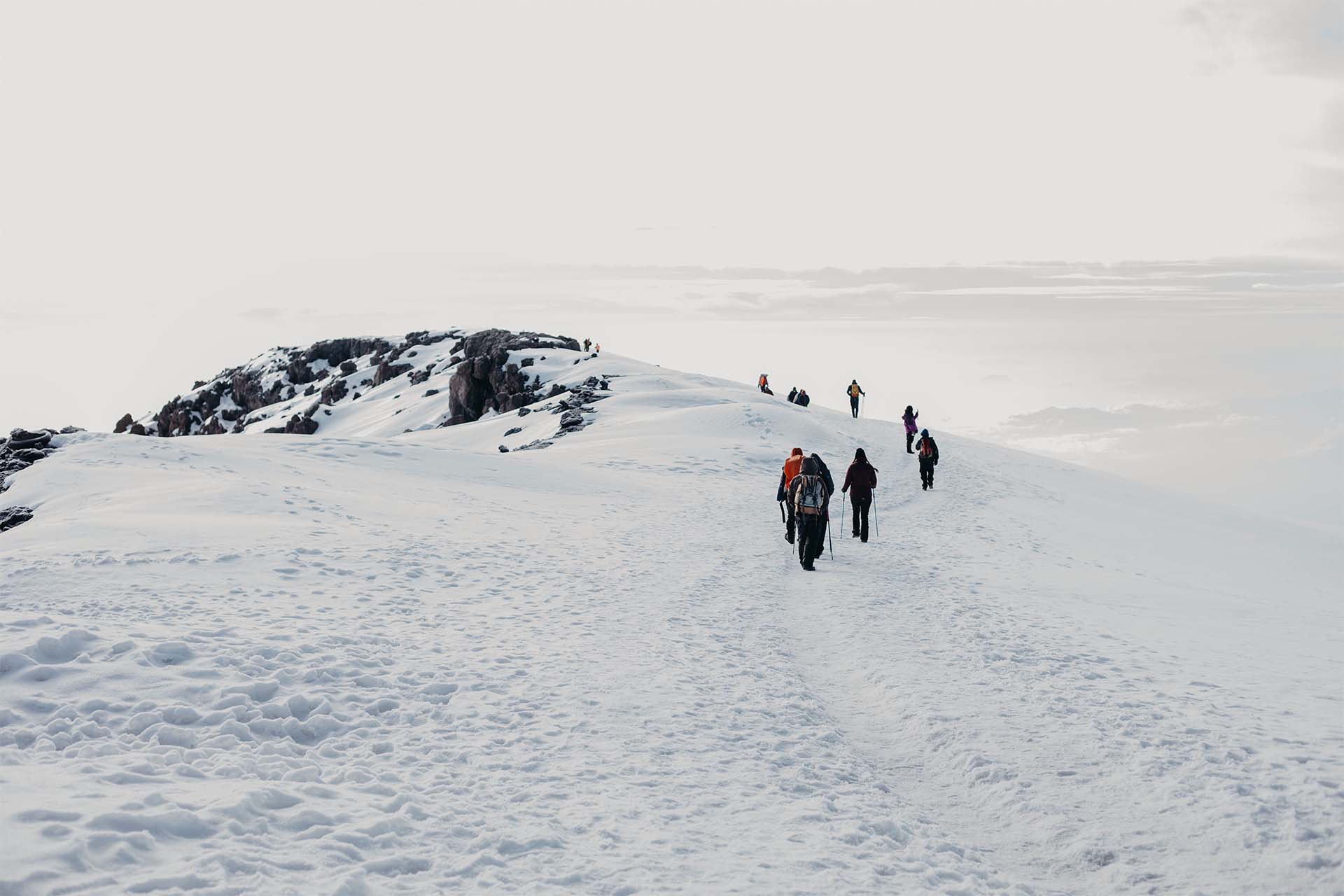
Climbing Mount Kilimanjaro is one of the most rewarding adventures in the world. Rising 5,895 meters (19,341 feet) above sea level, Africa’s highest peak attracts thousands of trekkers each year who dream of standing on the iconic Uhuru Peak. At Oneten Safari, we help travelers turn that dream into reality with professionally guided climbs, experienced mountain crews, and carefully designed itineraries that maximize comfort, safety, and summit success.
One of the most common questions we receive is: How much does it cost to climb Mount Kilimanjaro? The answer depends on several factors, including the route you choose, the number of trekking days, group size, and the level of service included in your package. Understanding these costs will help you plan your adventure and select the Kilimanjaro experience that best fits your goals and budget.
Average Cost of Climbing Kilimanjaro
In general, a Kilimanjaro climb costs between $2,000 and $6,000 per person. Budget operators may advertise prices below this range, while luxury operators offering premium services can charge considerably more.
The price difference is often linked to the quality of equipment, staff wages, safety standards, accommodation before and after the climb, and the level of support provided during the trek.
Typical Price Categories
| Climb Type | Estimated Cost Per Person |
|---|---|
| Budget Climb | $2,000 – $2,800 |
| Mid-Range Climb | $2,800 – $4,000 |
| Luxury Climb | $4,000 – $6,500+ |
While it may be tempting to choose the cheapest option, climbers should prioritize safety, experienced guides, proper equipment, and ethical treatment of mountain crews.
What Is Included in the Cost?
At Oneten Safari, our Kilimanjaro packages include a comprehensive range of services designed to ensure a safe, enjoyable, and successful climb.
National Park Fees
Park fees represent one of the largest portions of the overall cost. These fees are charged by the Tanzania National Parks Authority (TANAPA) and include:
- Conservation fees
- Camping or hut fees
- Rescue fees
- Crew fees
- VAT and government taxes
Depending on the route and duration, park fees alone can exceed $1,000 per climber.
Professional Mountain Guides
Every Kilimanjaro climber must be accompanied by licensed guides. Our experienced guides are trained in mountain safety, altitude sickness management, first aid, and emergency procedures, ensuring you receive expert support throughout your journey.
Porters and Support Crew
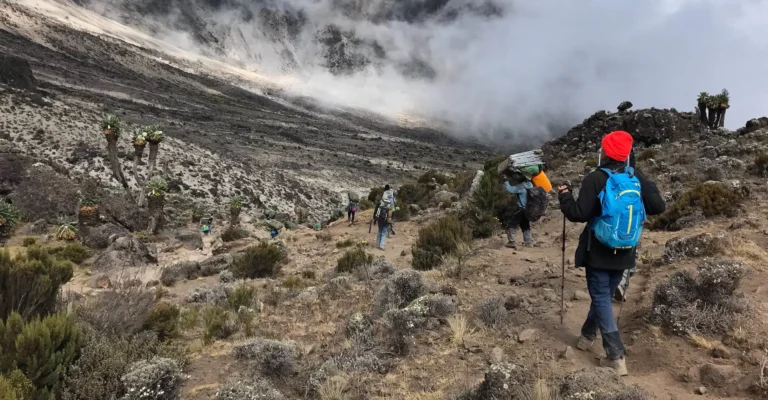
Porters play a vital role by carrying camping equipment, food supplies, and personal luggage. A typical Kilimanjaro expedition includes:
- Lead guides
- Assistant guides
- Porters
- Camp staff
- Mountain chefs
The larger the group, the more support staff are required to provide a smooth and comfortable trekking experience.
Accommodation Before and After the Climb
Most packages include one or two nights in a hotel in Moshi before and after the climb. Accommodation levels vary from comfortable standard lodges to luxury properties, depending on your chosen package.
Meals on the Mountain
Climbers receive freshly prepared meals throughout the expedition. A typical menu includes:
- Breakfast
- Lunch
- Dinner
- Snacks
- Tea, coffee, and drinking water
Good nutrition is essential for maintaining energy and improving summit success rates.
Camping Equipment
For camping routes, operators usually provide:
- Mountain tents
- Dining tents
- Tables and chairs
- Sleeping mats
- Portable toilets (on premium climbs)
Climbers often need to bring or rent personal sleeping bags and trekking gear.
Cost by Kilimanjaro Route
Different routes have varying costs due to differences in length and logistics.
Marangu Route
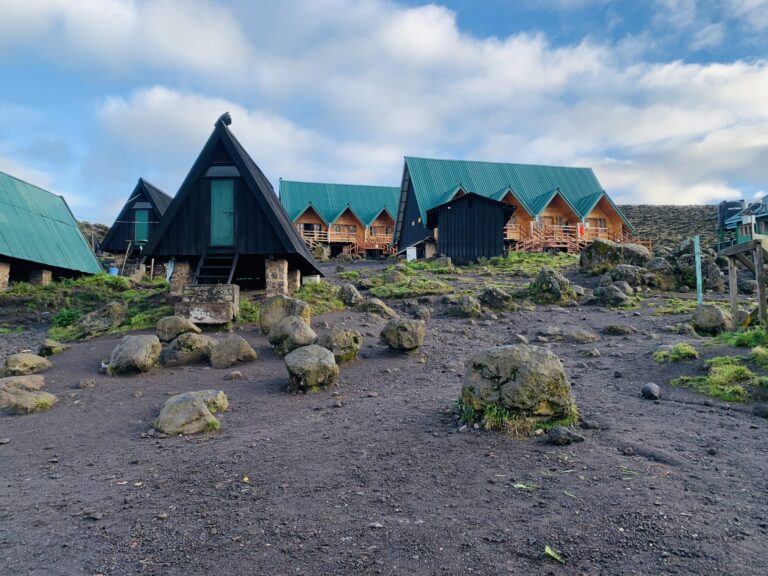
Known as the “Coca-Cola Route,” Marangu is the only route with hut accommodation.
- Duration: 5–6 days
- Average Cost: $2,000 – $3,500
Machame Route
Popular for its scenic beauty and excellent acclimatization profile.
- Duration: 6–7 days
- Average Cost: $2,500 – $4,000
Lemosho Route
Widely regarded as one of the most beautiful routes with high summit success rates.
- Duration: 7–9 days
- Average Cost: $3,000 – $5,500
Rongai Route
Approaches the mountain from the northern side near the Kenyan border.
- Duration: 6–7 days
- Average Cost: $2,500 – $4,500
Northern Circuit Route
The longest route with exceptional acclimatization opportunities.
- Duration: 8–10 days
- Average Cost: $3,500 – $6,000+
Additional Expenses to Consider
Besides the climbing package itself, travelers should budget for several additional costs.
International Flights
Flights to Tanzania can range from $500 to over $2,000 depending on your departure location and travel season.
Tanzanian Visa
Most visitors require a tourist visa.
Estimated cost:
- $50 for most nationalities
- $100 for U.S. citizens
Travel Insurance
Comprehensive travel insurance covering high-altitude trekking is highly recommended.
Estimated cost:
- $100 – $400
Gear Rental
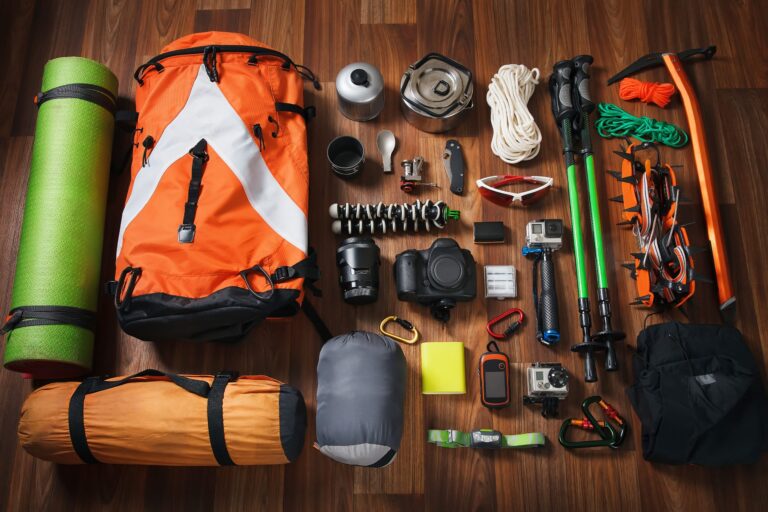
If you do not own mountain equipment, you may need to rent items such as:
- Sleeping bag
- Trekking poles
- Down jacket
- Gaiters
- Headlamp
Estimated rental cost:
- $100 – $300
Crew Tips
Tipping is a standard and expected part of Kilimanjaro climbs.
Recommended tip budget:
- $250 – $500 per climber
Tips are usually shared among guides, porters, cooks, and camp staff.
Why Are Kilimanjaro Climbs Expensive?
Many first-time visitors are surprised by the cost of climbing Kilimanjaro. However, the price reflects the extensive logistics required to safely support climbers at high altitude.
A typical expedition may involve:
- Multiple guides
- Several porters
- Professional cooks
- Safety equipment
- Park permits
- Transportation
- Accommodation
- Food supplies
Furthermore, responsible operators invest in fair porter wages, proper equipment, and high safety standards.
Is a Cheap Kilimanjaro Climb Worth It?
Extremely cheap climbs often cut costs in ways that can negatively affect your experience and safety. Common issues include:
- Underpaid porters
- Poor-quality food
- Inadequate safety equipment
- Limited guide support
- Low summit success rates
Choosing a reputable operator may cost more initially but often results in a safer, more enjoyable, and more successful climb.
How to Save Money on a Kilimanjaro Climb
There are several ways to reduce costs without compromising safety.
Join a Group Climb
Group departures allow costs to be shared among participants, reducing the overall price.
Travel During Shoulder Seasons
Months such as March and November may offer discounted rates compared to peak climbing seasons.
Bring Your Own Gear
Owning essential trekking equipment can significantly reduce rental expenses.
Book Early
Many operators offer discounts for early reservations and advance payments.
Why Climb Kilimanjaro with Oneten Safari?
Choosing the right operator can make a significant difference to your Kilimanjaro experience. At Oneten Safari, we are committed to providing exceptional service, experienced mountain guides, quality equipment, and ethical treatment of our porters and crew members. Our team combines local knowledge with years of mountain expertise to create safe, memorable, and successful summit adventures.
From your first inquiry to your final celebration at the summit, we are dedicated to delivering a seamless and personalized experience that exceeds expectations.
Final Thoughts
Climbing Mount Kilimanjaro is a once-in-a-lifetime achievement and an investment in an unforgettable adventure. While costs typically range from $2,000 to $6,000 or more, the price includes much more than simply hiking a mountain. Park fees, professional guides, porters, accommodation, meals, safety equipment, and logistical support all contribute to the overall cost.
At Oneten Safari, we believe that every climber deserves a safe, rewarding, and well-supported journey to the Roof of Africa. By choosing a reputable operator that prioritizes safety, quality service, and responsible tourism, you can focus on enjoying the experience and increasing your chances of reaching the summit successfully. Whether you are planning your first trek or fulfilling a lifelong dream, Oneten Safari is ready to guide you every step of the way to Uhuru Peak.