Climbing Mount Kilimanjaro is a multi-day trekking adventure, and one of the most important parts of planning your journey is understanding where you will sleep each night. Unlike hotel-based travel, accommodation on Kilimanjaro is entirely mountain-based, designed to support climbers in remote, high-altitude environments while keeping them safe, rested, and ready for the next day’s hike.
Although the experience is rustic compared to city hotels, it is carefully organized and surprisingly comfortable when properly prepared. The type of accommodation you use depends mainly on the route you choose and the trekking style you prefer.
Mountain Huts vs Camping Tents
There are two main accommodation systems on Kilimanjaro: huts and camping tents.
The hut system is only found on the Marangu Route, while all other routes rely on camping.
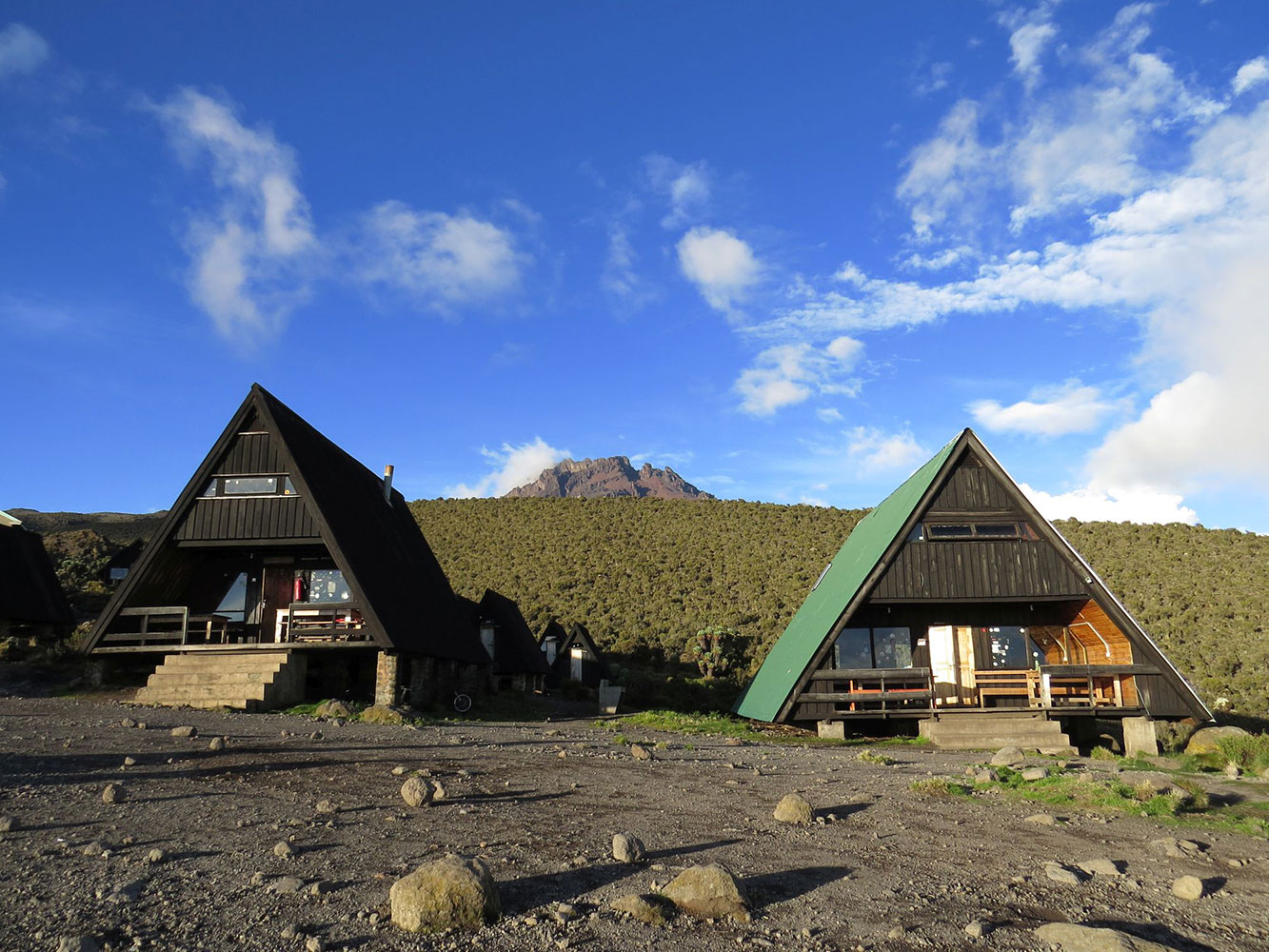
Hut Accommodation (Marangu Route Only)
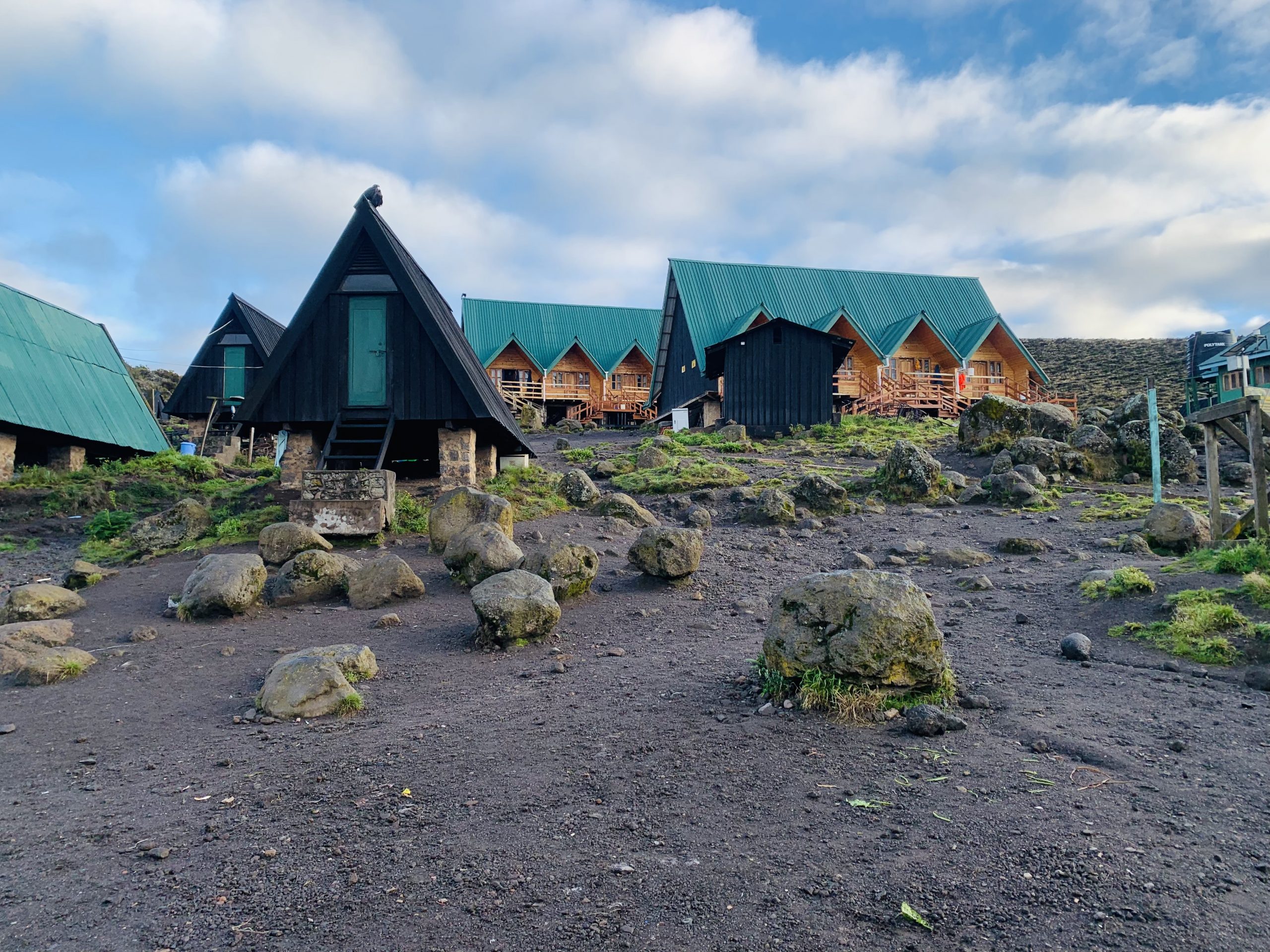
On the Marangu Route, climbers sleep in shared mountain huts at designated camps. These huts provide basic shelter with bunk beds and mattresses. They are simple but offer a slightly more structured environment compared to tents.
Key features include:
- Dormitory-style sleeping arrangements
- Basic mattresses provided
- Shared dining and wash areas
- Protection from wind and rain
However, huts can feel crowded, especially during peak climbing seasons. Privacy is limited, but the shelter is solid and convenient.
Camping on Kilimanjaro (Most Popular Option)
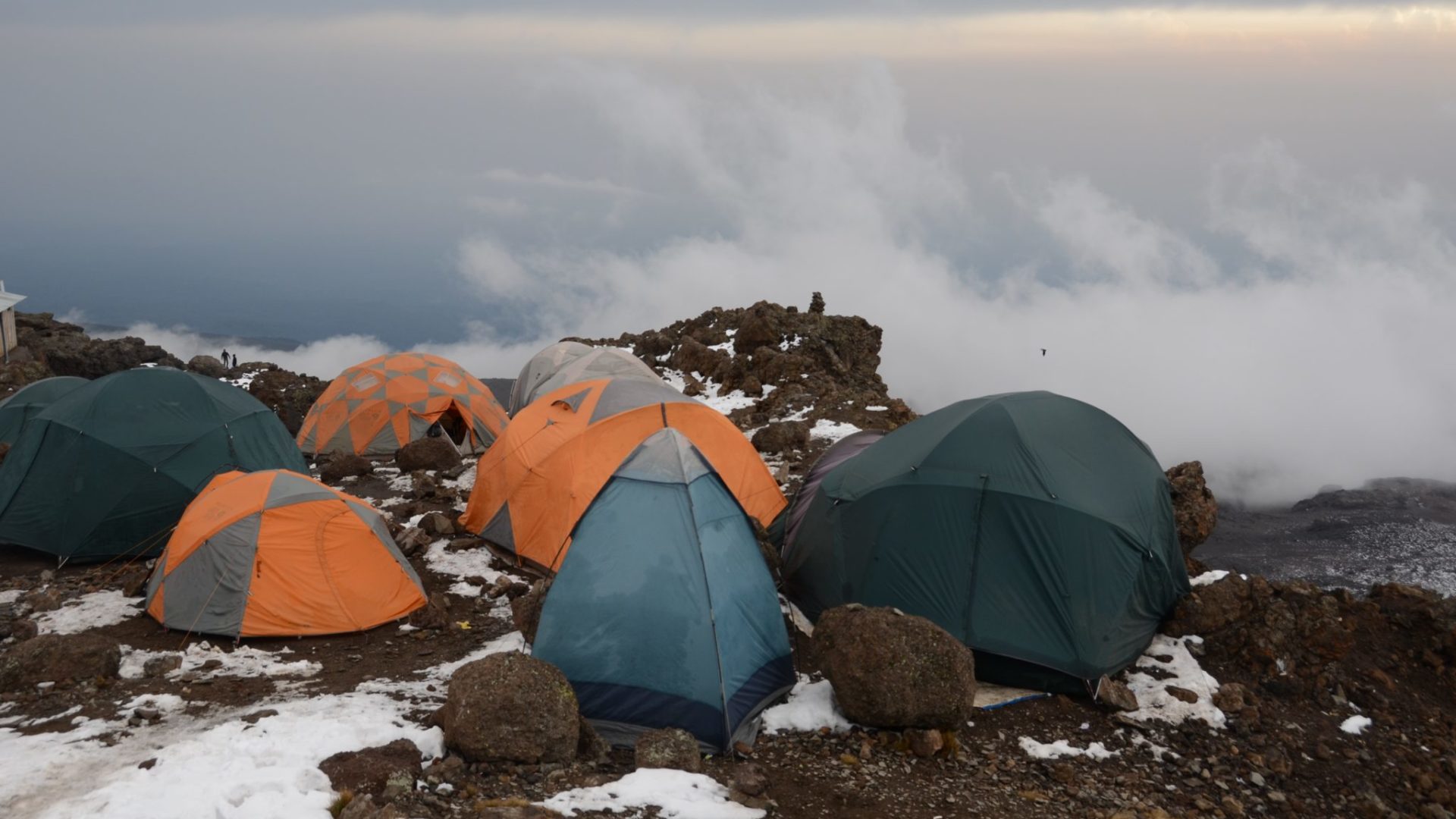
Most climbers on Mount Kilimanjaro stay in tents. This includes popular routes such as Machame, Lemosho, Rongai, and the Northern Circuit. Camping provides a more immersive experience in nature and is widely considered the standard way to climb the mountain.
Each night, a professional mountain crew sets up camp before you arrive. This includes your sleeping tent, dining tent, and kitchen area.
Typical camping setup includes:
- Private or shared sleeping tents
- Dining tents with tables and chairs
- Separate kitchen tents for food preparation
- Portable toilet tents (on premium services)
Although basic, modern expedition tents are designed to handle cold temperatures, wind, and occasional rain.
What to Expect Inside Your Tent
Sleeping conditions on Kilimanjaro are simple but functional. Inside your tent, you typically have:
- A sleeping mat or mattress
- A warm sleeping bag (often provided by tour operators)
- Limited space for personal belongings
Night temperatures can drop below freezing, especially at higher altitudes, so insulation and proper gear are essential.
Campsites Along the Routes
All camping routes on Kilimanjaro have designated campsites at different altitude levels. These camps are not permanent settlements but rather temporary stop points used by trekkers and guides.
Popular campsite zones include:
- Rainforest zone camps (lower altitude, warmer and humid)
- Moorland camps (cooler with open landscapes)
- Alpine desert camps (cold, dry, and windy)
- High-altitude camps near the summit zone (extremely cold and exposed)
Each campsite offers stunning views, especially above the cloud line where sunsets and sunrises create unforgettable scenery.
Comfort Level and Expectations
Accommodation on Mount Kilimanjaro is best described as basic but functional. This is not luxury travel—it is a wilderness expedition.
There are no hotels, hot showers, or electricity at most camps. Instead, comfort comes from good preparation, quality gear, and the support of your mountain crew.
Key comfort factors include:
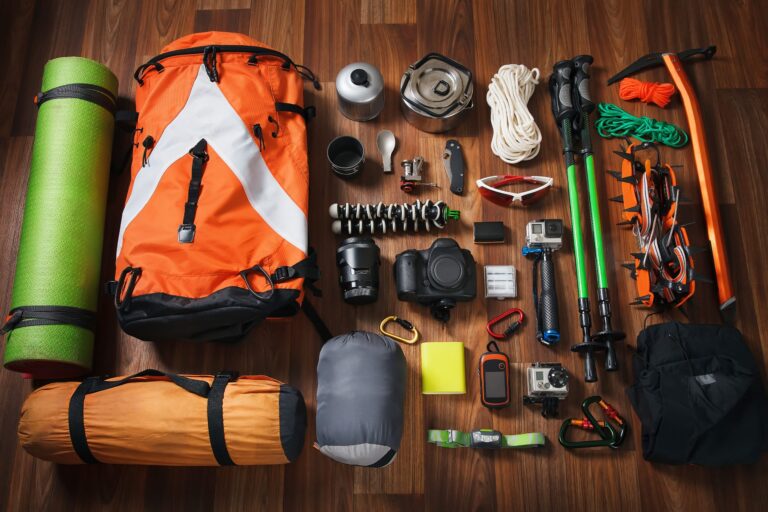
- Warm sleeping equipment
- Proper layering for cold nights
- Reliable tents and camping setup
- Hot meals prepared by guides and cooks
Toilet and Hygiene Facilities
Toilet facilities vary depending on the tour operator and route. Most camps have basic pit toilets, which can be simple and shared.
Some operators offer portable private toilet tents for added comfort and hygiene, especially on premium climbs. Handwashing stations are also commonly provided at camps.
Why Accommodation Matters for Your Summit Success
Good accommodation systems play a major role in your success on Mount Kilimanjaro. Proper rest, warmth, and nutrition directly affect your energy levels and ability to adapt to altitude.
Longer routes with well-managed camps allow better recovery each night, which significantly improves summit success rates.
Accommodation on Kilimanjaro is not about luxury—it is about survival, comfort, and preparation for the next stage of your climb. Whether staying in simple huts on the Marangu Route or camping under the stars on other routes, every night on the mountain becomes part of the adventure.
With the right gear and a well-organized support team, sleeping on Mount Kilimanjaro becomes not just manageable, but a memorable part of your journey to the Roof of Africa.