Climbing Mount Kilimanjaro during the rainy season is often considered a less popular choice, but it offers a very different kind of experience compared to the dry months. While many climbers prefer clear skies and stable weather, the wet season brings quieter trails, dramatic landscapes, and a more raw, untamed version of Africa’s highest mountain. However, it also introduces extra challenges that require careful preparation and the right mindset.
The rainy season on Kilimanjaro typically occurs in two periods: the long rains from March to May and the short rains around November. During these months, the mountain becomes greener, cloudier, and more unpredictable, with frequent showers especially in the lower forest zones.
What the Mountain Feels Like in the Rainy Season
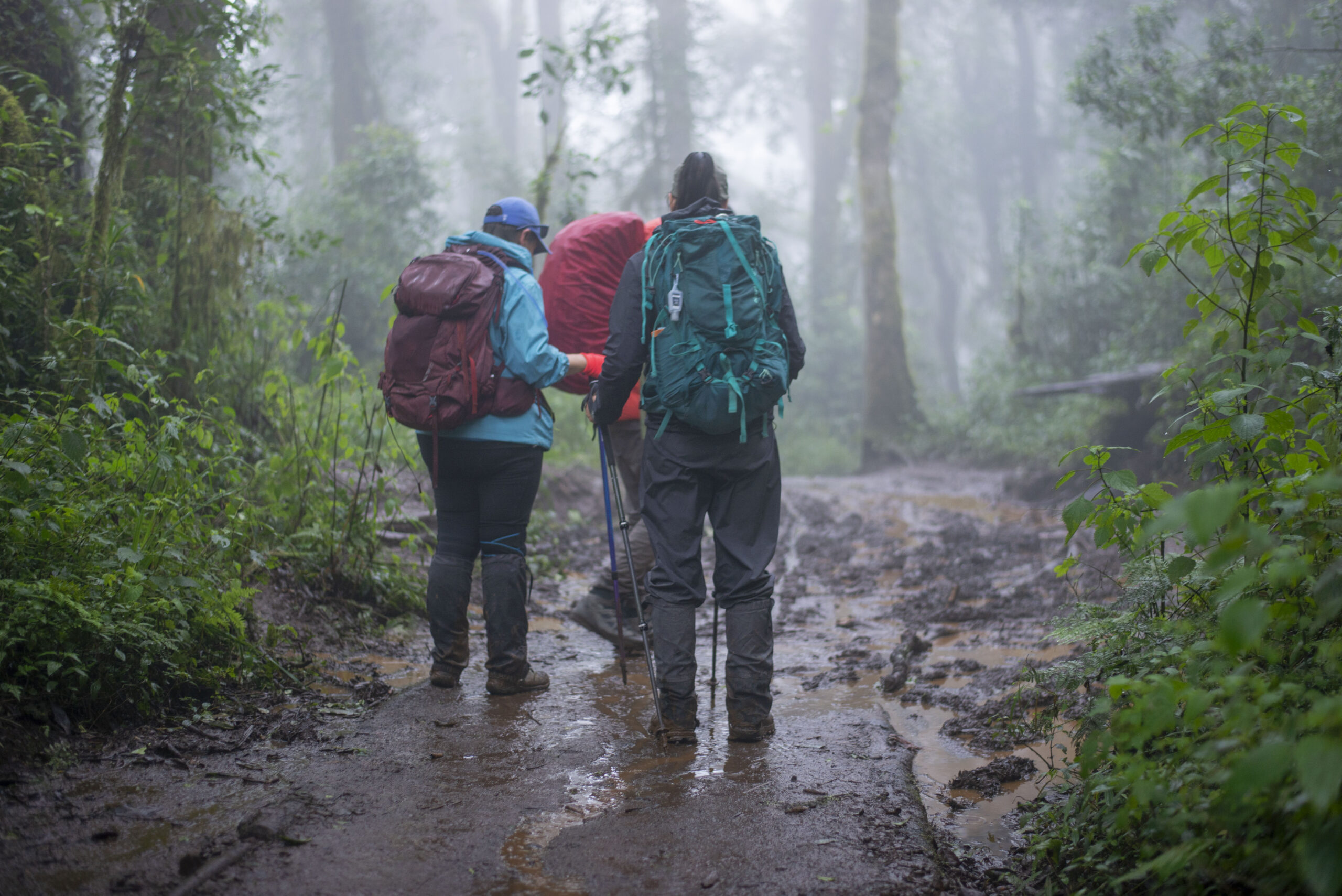
One of the most noticeable changes during the wet season is how different each climate zone becomes. In the rainforest zone, trails are often muddy, slippery, and surrounded by thick vegetation. Mist hangs in the trees, creating a quiet and atmospheric environment, but also reducing visibility.
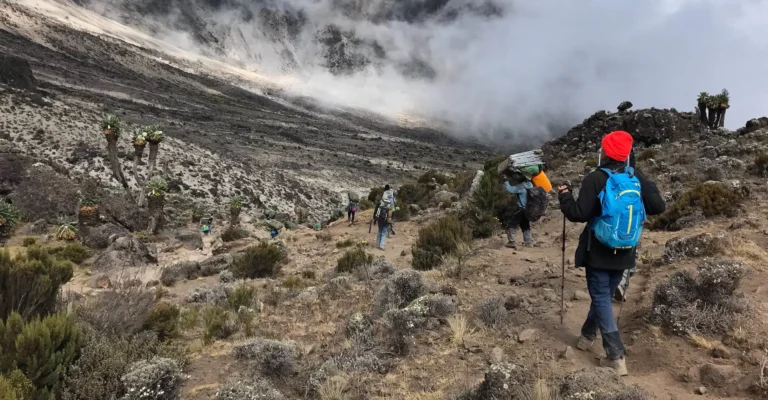
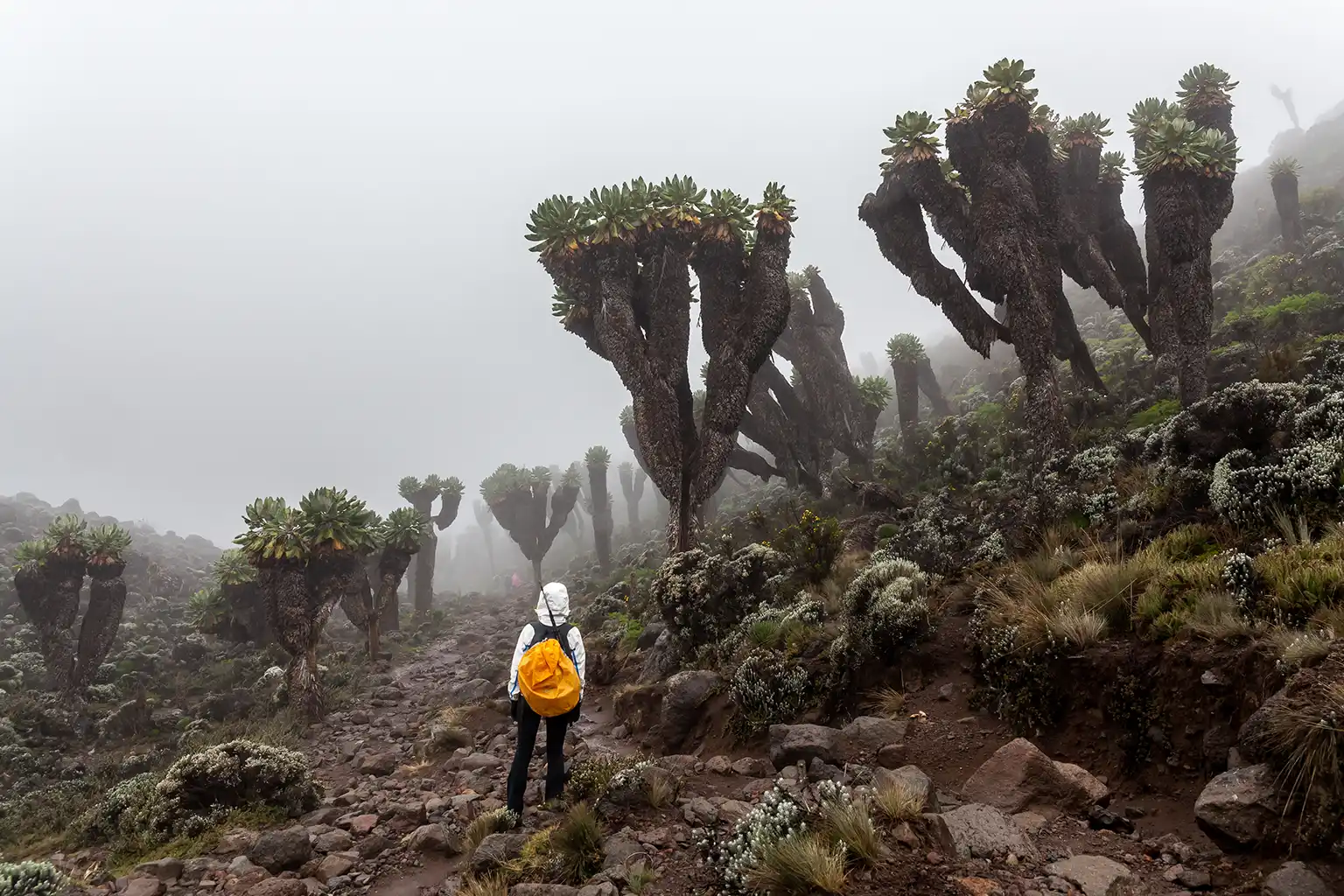
As climbers ascend higher into the moorland and alpine desert zones, rain may turn into cold wind, fog, or even light snow near the upper slopes. Conditions change quickly, and it is not unusual to experience sunshine, rain, and cloud cover all in a single day.
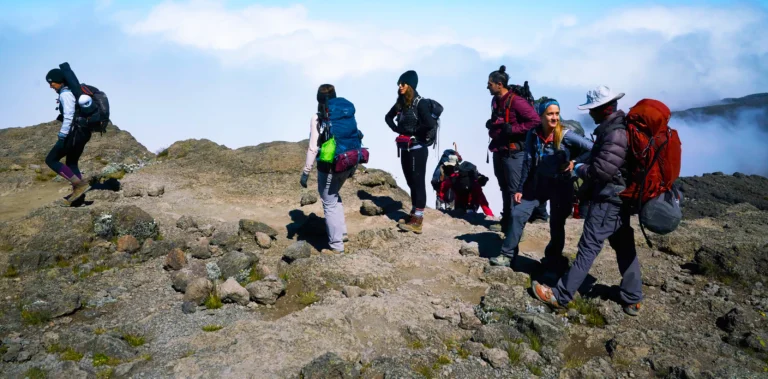
Despite the wet conditions, the mountain becomes quieter. Fewer climbers attempt the summit during this period, meaning more solitude on the trails and less crowded campsites.
Advantages of Climbing in the Rainy Season
Although it is more challenging, climbing Mount Kilimanjaro in the rainy season does offer some unique benefits.
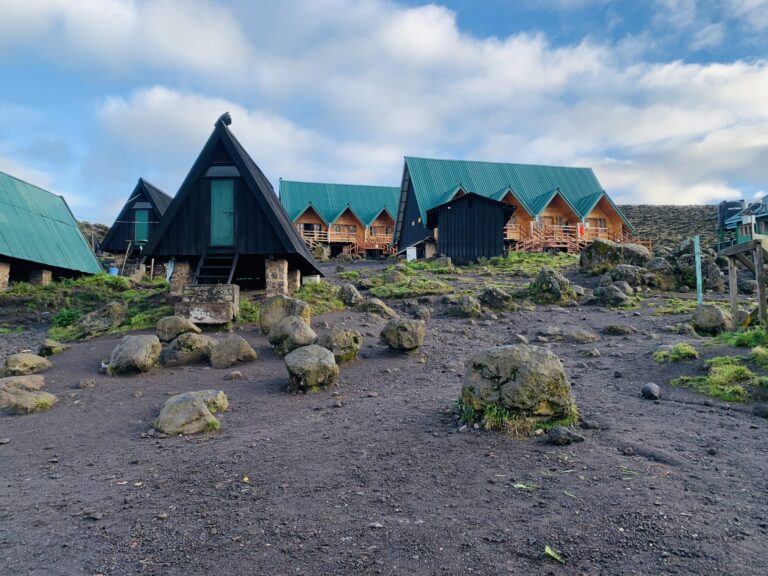
One major advantage is the reduced number of climbers. With fewer people on the routes, the experience feels more personal and peaceful. Camps are less crowded, and you get more space to enjoy the natural environment.
Another benefit is the lush scenery. The lower slopes become incredibly green and vibrant, with waterfalls flowing strongly and forests full of life. For photographers and nature lovers, this can be one of the most visually rewarding times to be on the mountain.
Additionally, some tour operators may offer lower prices during the off-peak season, making it a more budget-friendly option for adventurous trekkers.
Challenges You Need to Prepare For
Despite its beauty, the rainy season also increases the difficulty of the climb.
The most obvious challenge is wet and slippery trails, especially in the rainforest section. Mud can slow down progress and make trekking more physically demanding. Waterproof boots and trekking poles become essential tools.
Visibility can also be limited due to heavy clouds and fog. This can reduce the sense of direction and make the journey feel longer and more tiring.
Cold temperatures combined with wet conditions can be mentally and physically draining. Once your clothing or gear becomes wet, it becomes harder to maintain body warmth, especially at higher altitudes where temperatures drop significantly.
There is also a slightly increased risk of delays or slower group movement, as guides prioritize safety and careful pacing in unstable conditions.
Essential Gear for the Wet Season
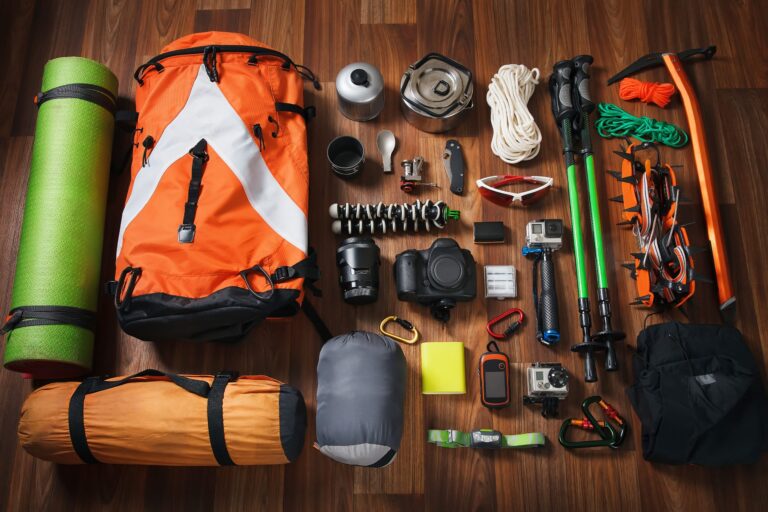
Proper equipment is the key to successfully climbing in the rainy season. Without it, the experience can become uncomfortable very quickly.
Important gear includes:
- High-quality waterproof jacket and trousers
- Waterproof hiking boots with strong grip
- Quick-dry clothing layers
- Extra socks and gloves
- Rain cover for backpack
- Warm insulated jacket for summit night
- Gaiters to prevent mud and water entering boots
Keeping your gear dry is one of the most important factors for staying comfortable and safe on the mountain.
Safety and Success Considerations
Rain does not necessarily make climbing Mount Kilimanjaro unsafe, but it does require more caution. Trails can become slippery, and visibility may drop, so experienced guides play a critical role in maintaining a safe pace.
Altitude remains the same challenge as in any season. The key to success is still slow ascent, proper hydration, and choosing a route that allows enough time for acclimatization.
Longer routes are especially recommended during the rainy season because they reduce daily pressure and give the body more time to adjust in tougher weather conditions.
Is It Worth Climbing in the Rainy Season?
The answer depends on what kind of experience you are looking for. If your goal is perfect weather, clear skies, and dry trails, the rainy season may not be ideal. But if you are looking for solitude, lush scenery, and a more adventurous atmosphere, it can be a deeply rewarding time to climb.
Many experienced trekkers actually appreciate the wet season for its authenticity and challenge. It strips away the crowds and reveals a quieter, more dramatic side of Kilimanjaro.
Final Thoughts
Climbing Mount Kilimanjaro in the rainy season is not the easiest option, but it is certainly one of the most unique. It demands preparation, resilience, and the right gear, but in return it offers peaceful trails, rich landscapes, and a more intimate connection with the mountain.
For those willing to embrace the conditions, the rainy season transforms Kilimanjaro into a powerful and unforgettable adventure.