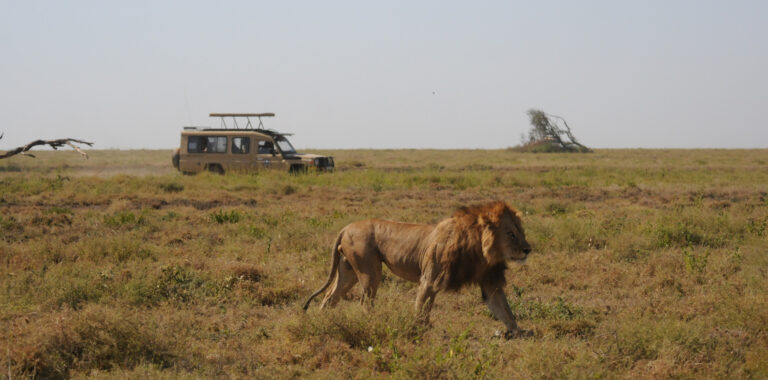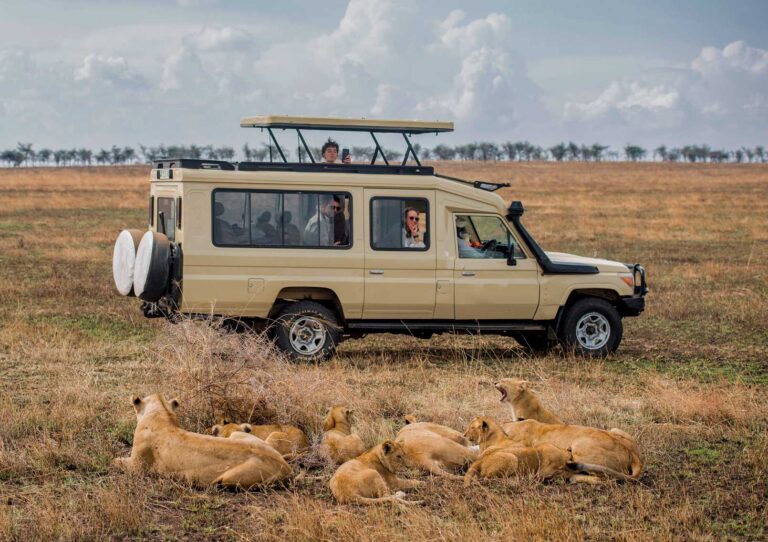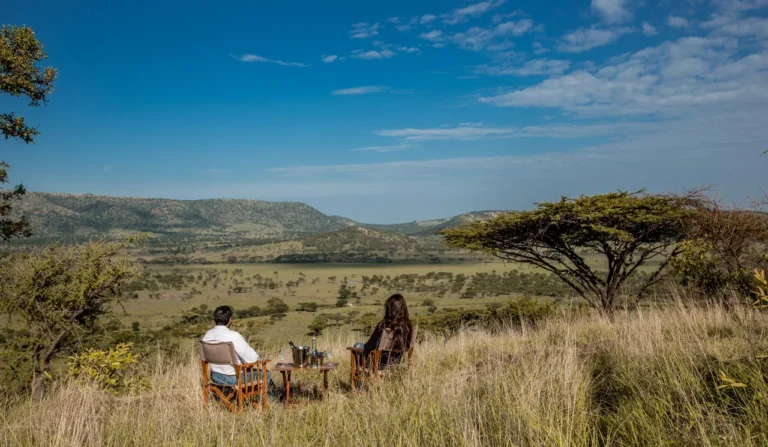
Tanzania is among the few destinations in the world where safari experiences remain outstanding throughout the year. From the vast, golden plains of the Serengeti National Park to the dramatic wildlife haven of the Ngorongoro Conservation Area, every season reveals a different side of Africa’s natural beauty.
The ideal time to visit largely depends on what you hope to experience—whether it’s intense wildlife action, peaceful game drives with fewer visitors, or lush green landscapes after the rains. Understanding Tanzania’s seasonal patterns is the foundation of planning a rewarding and unforgettable safari.
Safari Seasons in Tanzania
Tanzania’s safari calendar is generally divided into two main seasons: the dry season and the green (wet) season, each offering a completely different safari atmosphere.
The dry season, from June to October, is considered the prime period for wildlife viewing. During these months, vegetation is thinner and animals gather around rivers and permanent water sources, making sightings easier and more frequent. Clear skies and mild weather create excellent conditions for game drives and photography. However, this is also the most popular travel period, so major parks can be busier.
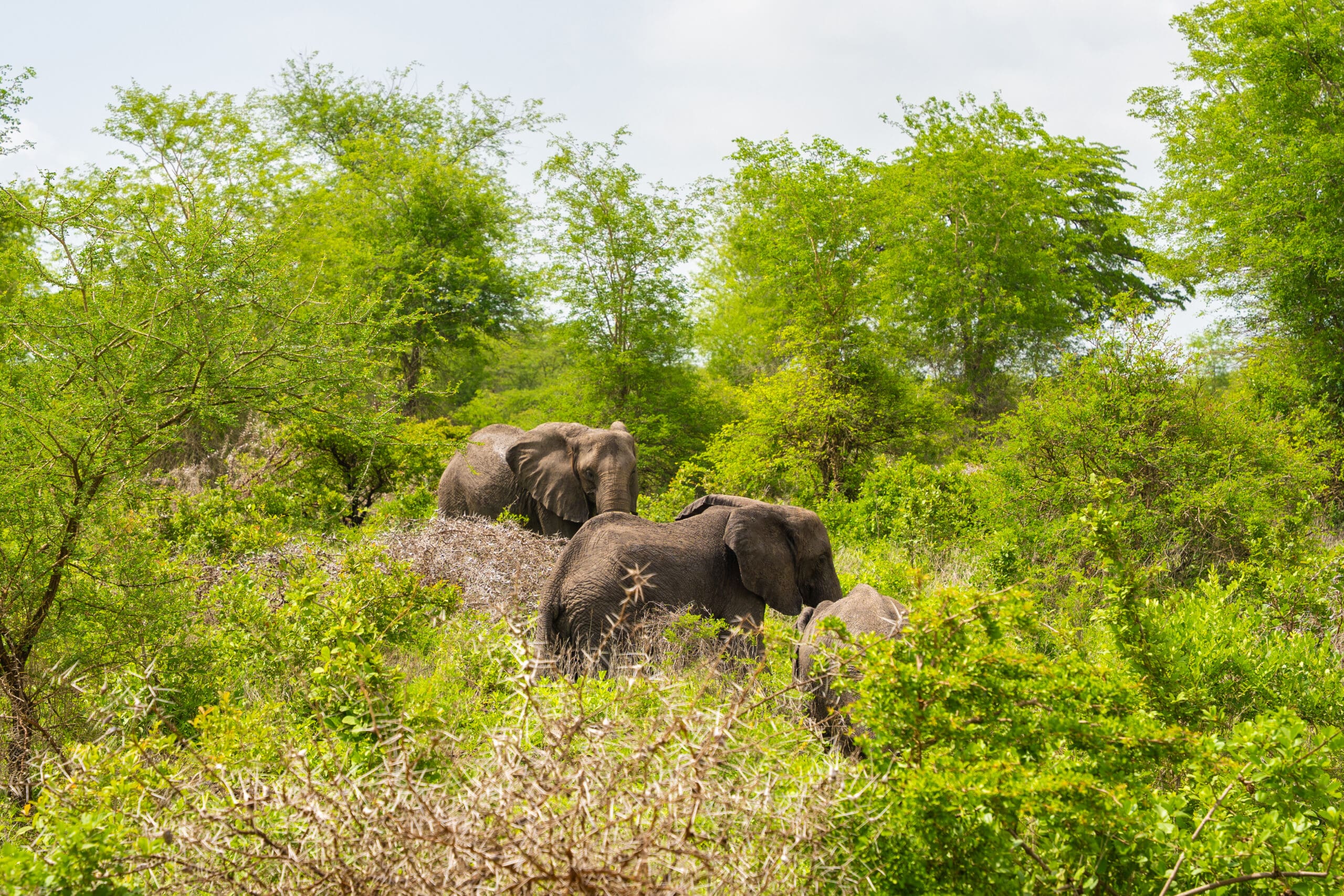
The green season, from November to March, brings short rains that transform the landscapes into lush, vibrant scenery. Although occasional showers occur, they are usually brief and followed by sunshine. This period is ideal for travelers seeking fewer crowds, more affordable rates, and exceptional birdwatching opportunities. It is also the calving season, when many animals give birth, offering unique wildlife moments.
The transitional long rains period, from April to May, sees heavier rainfall in some regions. While certain tracks may become challenging, this season rewards visitors with dramatic landscapes, rich greenery, and a quieter, more exclusive safari experience.
Wildlife Patterns Across the Seasons
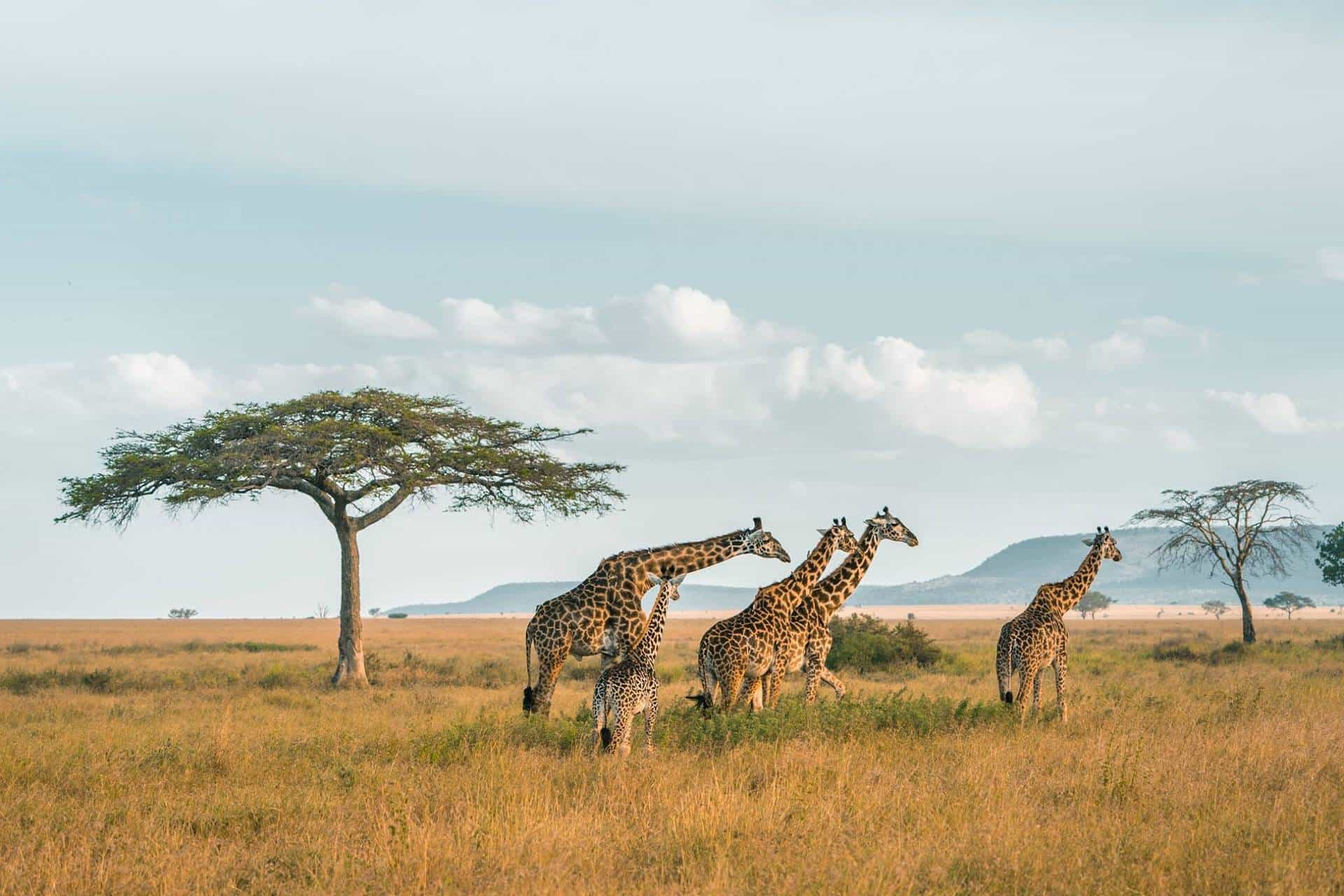
Wildlife behavior in Tanzania is closely connected to rainfall and water availability. During the dry season, animals concentrate around reliable water sources, making game viewing more predictable and rewarding.
In the green season, animals spread out across the plains as water becomes widely available. While sightings may require a bit more patience, the scenery is at its most beautiful, and the overall safari experience feels more serene and natural.
The Great Migration Experience
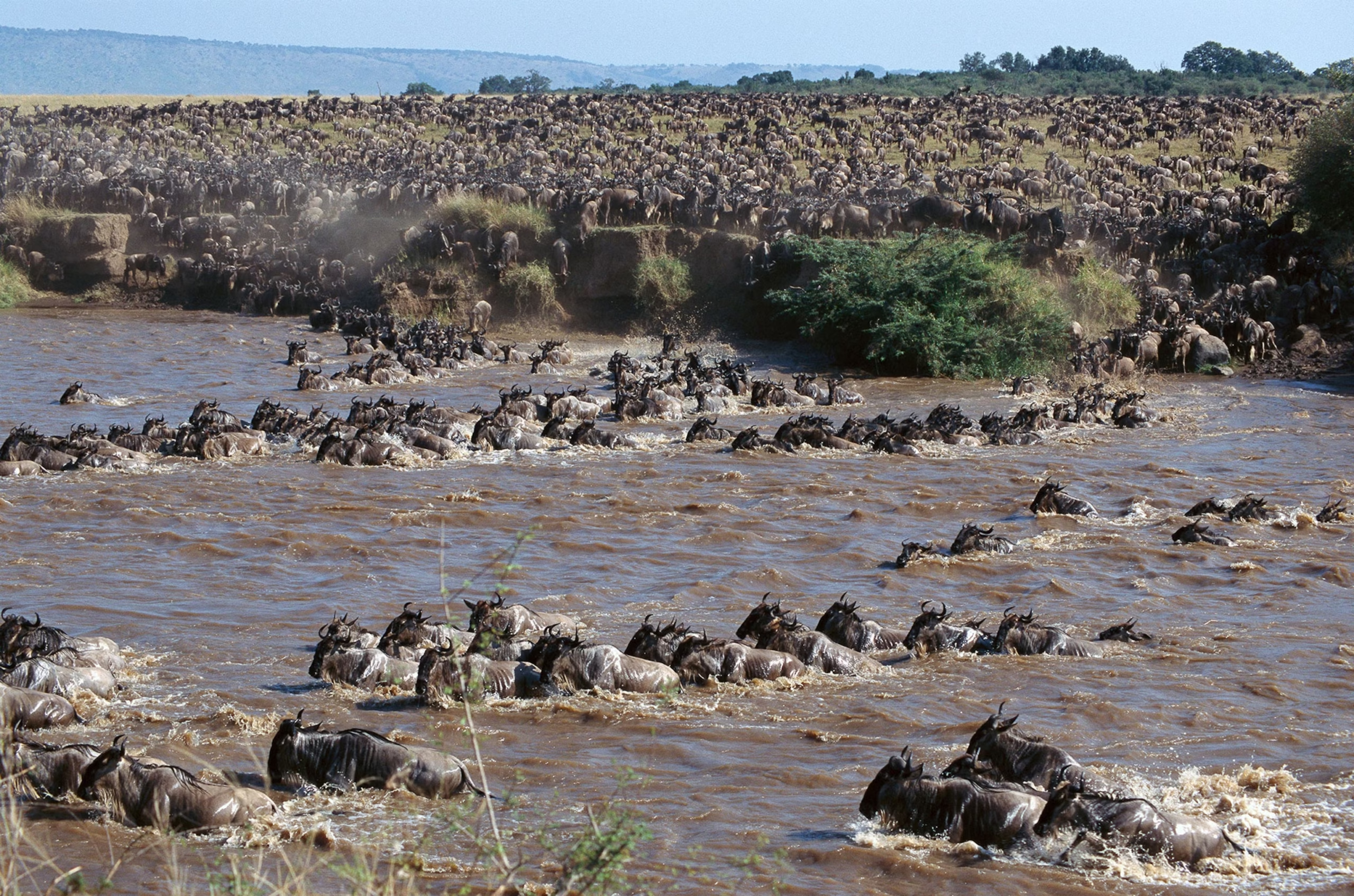
The Great Migration in the Serengeti National Park is one of the most extraordinary wildlife events on the planet. This continuous movement of millions of wildebeest, zebras, and gazelles follows seasonal rainfall and fresh grazing opportunities.
From July to September, the herds gather in the northern Serengeti, where the dramatic Mara River crossings take place. These moments, marked by powerful river currents and predator encounters, are among the most iconic safari experiences in Africa.
During the green season, particularly from January to March, the southern Serengeti and Ndutu region become the stage for the calving season. Thousands of newborn animals are born within a short period, attracting predators and creating intense wildlife interactions.
Month-by-Month Migration Overview
The movement of the Great Migration follows a natural cycle throughout the year.
From December to May, herds gather in the southern Serengeti and Ndutu plains for calving season, a time of new life and heightened predator activity.
Between May and July, the migration gradually shifts toward the western corridor, where crossings of the Grumeti River may occur.
From July to October, the herds move into the northern Serengeti, where the famous Mara River crossings take place.
In October and November, the migration begins its return south, continuing the cycle in search of fresh grazing lands. Despite these movements, the Serengeti offers excellent wildlife viewing year-round.
Choosing the Best Time for Your Safari
The best time to visit Tanzania ultimately depends on your personal travel style and expectations. For travelers seeking peak wildlife action and dramatic migration moments, the dry season is ideal. For those who prefer lush scenery, fewer crowds, and excellent birdlife, the green season provides a more relaxed and colorful experience.
Each season has its own charm, ensuring that Tanzania remains a rewarding safari destination at any time of year.
Why Travel with Oneten Safari
At Oneten Safari, we help you choose the perfect time to travel based on your interests, expectations, and desired safari experience. With strong local expertise and personalized planning, every journey is designed to match your travel goals.
Rooted in deep knowledge of Tanzania’s wilderness, our team is committed to delivering authentic, well-organized, and unforgettable safari adventures.
Final Thoughts
Tanzania’s safari appeal lies in its year-round diversity. Whether you visit during the dry season or the green season, you will always encounter remarkable wildlife, breathtaking landscapes, and genuine African hospitality.
With the right timing and expert guidance from Oneten Safari, your journey becomes more than a trip—it becomes a lasting memory of Africa’s wild beauty.