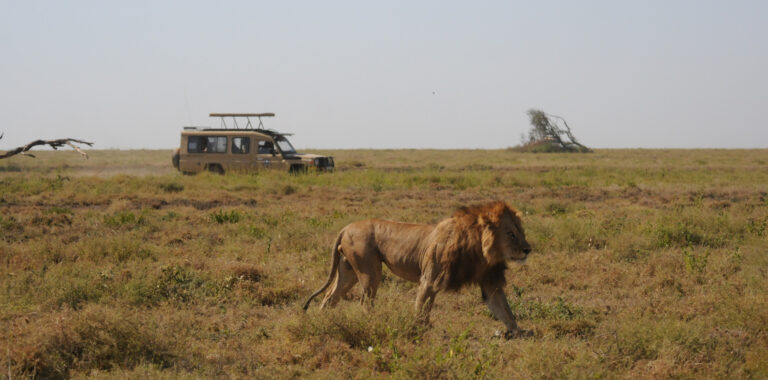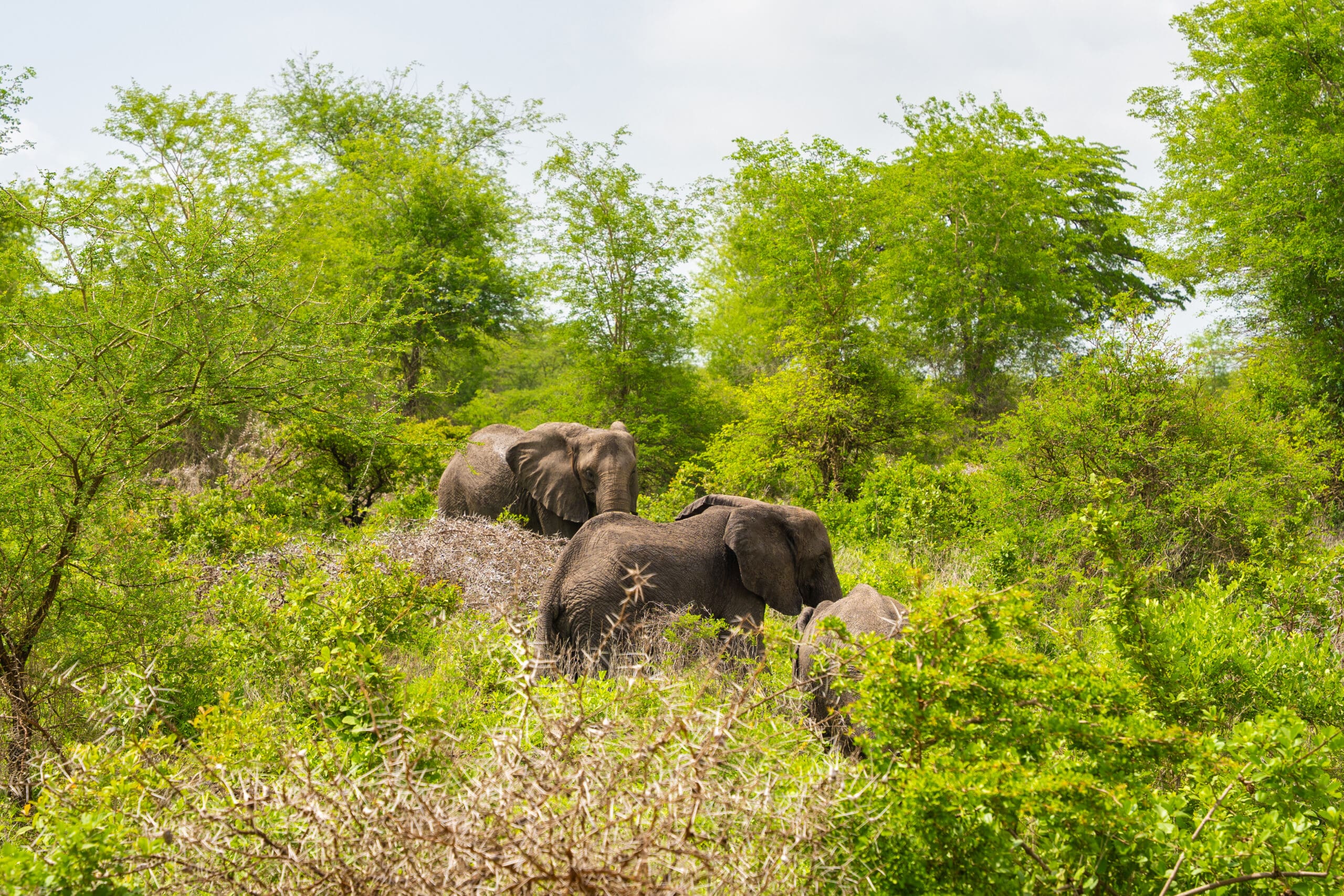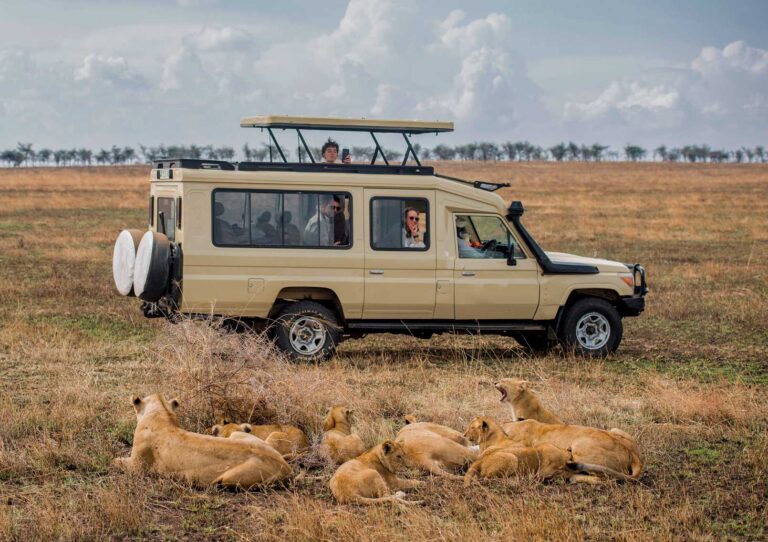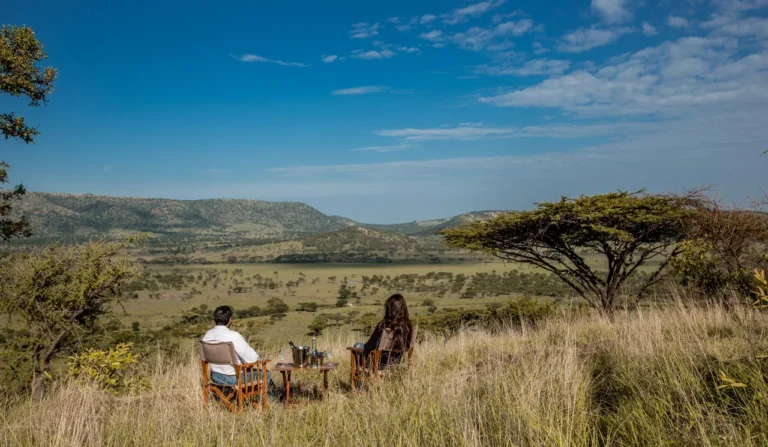
A safari in Tanzania is a truly once-in-a-lifetime adventure, offering vast open landscapes, remarkable wildlife encounters, and unforgettable moments in some of Africa’s most iconic destinations. From the endless plains of the Serengeti National Park to the dramatic scenery of the Ngorongoro Crater, every location delivers a unique and inspiring experience.
However, packing for a safari is quite different from preparing for a standard holiday. With strict luggage limits on domestic bush flights—typically around 15 kilograms (33 pounds) per person—and ever-changing weather conditions, thoughtful preparation is essential. A well-planned packing list ensures your safari remains comfortable, practical, and stress-free from beginning to end.
Understanding Safari Packing Requirements
Packing for a Tanzania safari is all about simplicity and functionality. Because of weight restrictions on internal flights, soft-sided duffel bags are strongly recommended over hard-shell suitcases, as they are easier to store and transport in safari aircraft and vehicles.
In addition, Tanzania’s safari environments can vary significantly. You may experience warm midday heat on the savannah, followed by cool mornings and chilly evenings, especially in high-altitude areas. For this reason, your packing should focus on lightweight, breathable, and layered clothing that can adapt to changing conditions throughout the day.
Essential Safari Clothing
Your clothing choices play a major role in your comfort during safari activities. Since most of your time will be spent on game drives, your outfits should be practical, comfortable, and suitable for outdoor conditions.
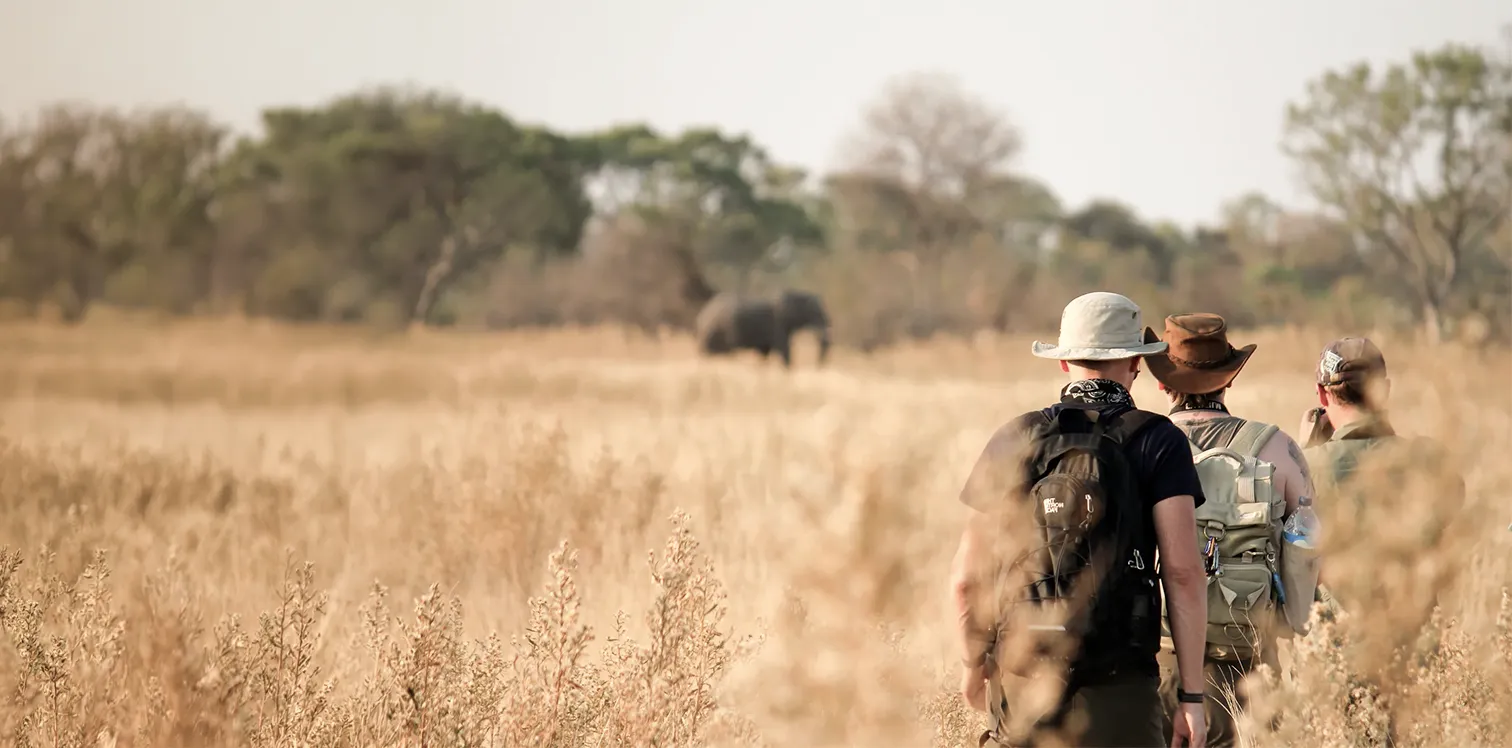
Neutral colors such as khaki, olive, and beige are highly recommended, as they blend well with the natural environment and help avoid attracting insects. Bright colors and dark shades like black or deep blue are best avoided, particularly in regions where tsetse flies may be present.
Long-sleeved shirts and lightweight T-shirts are ideal for balancing sun protection and comfort. A warm fleece or light jacket is essential for early mornings and evenings, especially in cooler destinations like the Ngorongoro highlands.
Comfortable cotton trousers work best for game drives, while shorts or loose-fitting clothing are suitable during hotter parts of the day. Swimwear is also useful, as many safari lodges and camps include swimming pools for relaxation.
A wide-brimmed hat or cap is highly recommended to protect against strong African sun exposure.
Health and Personal Care Essentials
Maintaining your health and comfort is key to enjoying your safari experience. While safari vehicles are usually equipped with basic first-aid kits, it is important to bring your own personal medical and hygiene supplies.
Common recommendations include antimalarial medication prescribed by your doctor, motion sickness tablets for long drives, and allergy relief medication for dust or environmental sensitivities. Travelers with chronic conditions such as asthma should ensure they carry all necessary inhalers or prescriptions.
Most importantly, bring an adequate supply of any regular medications you rely on.
Safari Daypack Essentials
A small, lightweight daypack is essential for carrying important items during daily game drives and excursions.
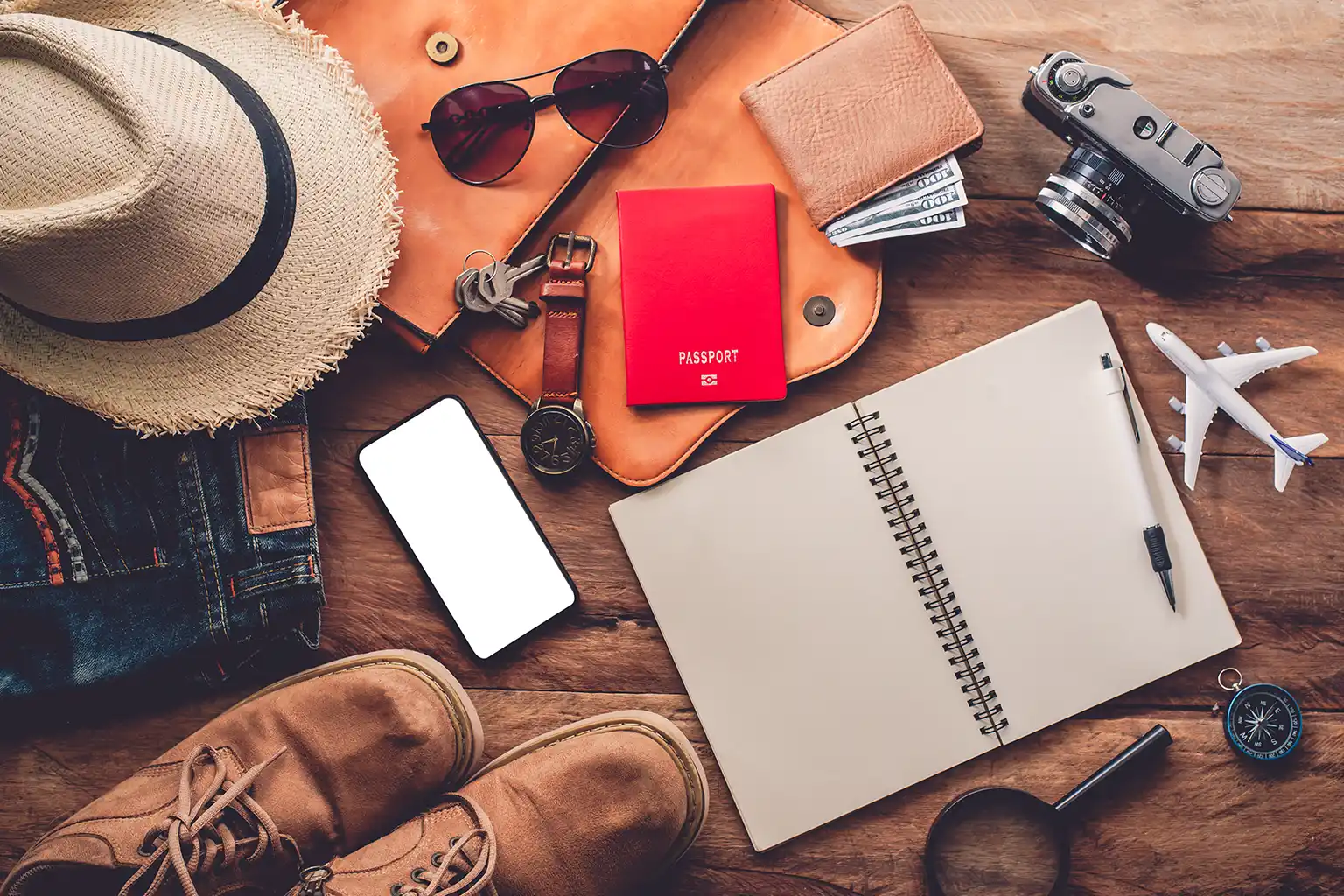
Items such as sunglasses help protect your eyes from sun glare and dust, while a scarf or bandana offers added protection in windy conditions. A travel adapter is necessary, as Tanzania uses the UK-style 3-pin plug system.
It is also advisable to carry photocopies of your passport and travel documents for safety. Camera equipment, spare batteries, and memory cards are essential for capturing wildlife moments.
Additional useful items include hand sanitizer, wet wipes, sunscreen, and insect repellent. A small notebook and pen can also be valuable for recording sightings and personal safari memories.
Smart Packing Tips for Safari Travel
One of the most important safari packing principles is to travel light. Choose versatile clothing that can be mixed and matched, and avoid overpacking unnecessary items.
Many lodges and camps offer laundry services, allowing you to reduce the number of clothing items you need to carry. Organizing your luggage with packing cubes or small organizers can also make access easier during your trip.
It is also wise to leave extra space in your bag for souvenirs, handicrafts, or local items you may collect along the way.
Why Pack with Confidence with Oneten Safari
At Oneten Safari, we understand that proper preparation plays a vital role in ensuring a smooth and enjoyable safari experience. Our team provides clear and practical packing guidance so you can travel well-prepared without exceeding airline restrictions.
Founded by a Maasai guide from the Ngorongoro Conservation Area, our company blends deep local knowledge with professional safari expertise to deliver seamless and memorable journeys.
Packing for a Tanzania safari may initially seem overwhelming, but with the right guidance, it becomes a straightforward and important part of your adventure preparation.
By focusing on essential items, comfort, and practicality, you can fully immerse yourself in Tanzania’s extraordinary wildlife, landscapes, and unforgettable safari experiences.