When choosing the best time to climb Mount Kilimanjaro, several key factors come into play, including temperature, visibility, trail conditions, crowd levels, difficulty, and overall safety. Among these, weather is the most important, as it directly influences every aspect of the trekking experience on the mountain.
Situated in an equatorial climate zone, Kilimanjaro does not follow the traditional four-season pattern. Instead, it experiences two primary seasons: wet and dry. The rainy periods typically occur from April to May and again in November. However, as in most tropical environments, the exact timing and intensity of rainfall can vary. The remaining months are generally considered drier, often offering clearer skies and more favorable climbing conditions, although weather on the mountain can still change quickly.
Kilimanjaro Climbing Seasons Overview
Mount Kilimanjaro has two main peak trekking seasons: July to September and January to February. These periods coincide with holiday travel seasons and are widely preferred due to more stable weather conditions and better visibility.
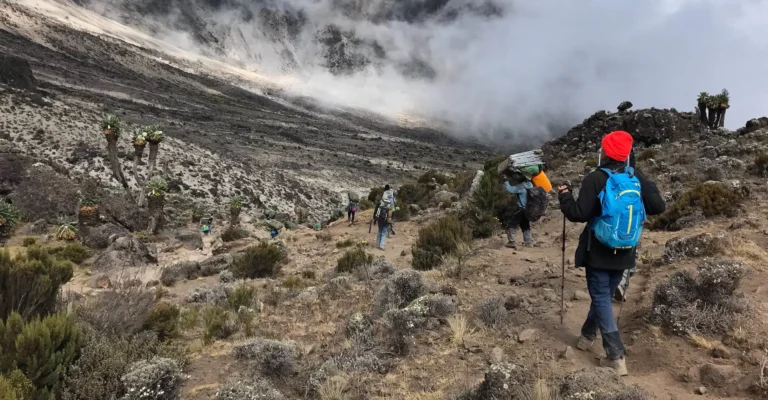
During the rainy months—particularly April, May, and November—fewer climbers attempt the ascent. Trails become wetter and more challenging, with slippery rocks and reduced visibility, making the climb slower and more demanding. However, this period also offers unique advantages for experienced trekkers and photographers, including dramatic scenery, fewer crowds, and clearer views of snow on the summit.
Best Months to Climb Mount Kilimanjaro
April to May (Long Rainy Season):
This is the wettest period of the year, with heavy and frequent rainfall, especially in April, which is also one of the coldest months on Kilimanjaro. Trails are quieter, but conditions are more difficult due to mud, moisture, and reduced visibility.
June to July:
Rainfall begins to decrease, and conditions gradually improve. June offers relatively quiet trails, cool temperatures, and improving visibility. By July, climbing conditions become more stable, although visitor numbers start to rise.
August to September (Peak Season):
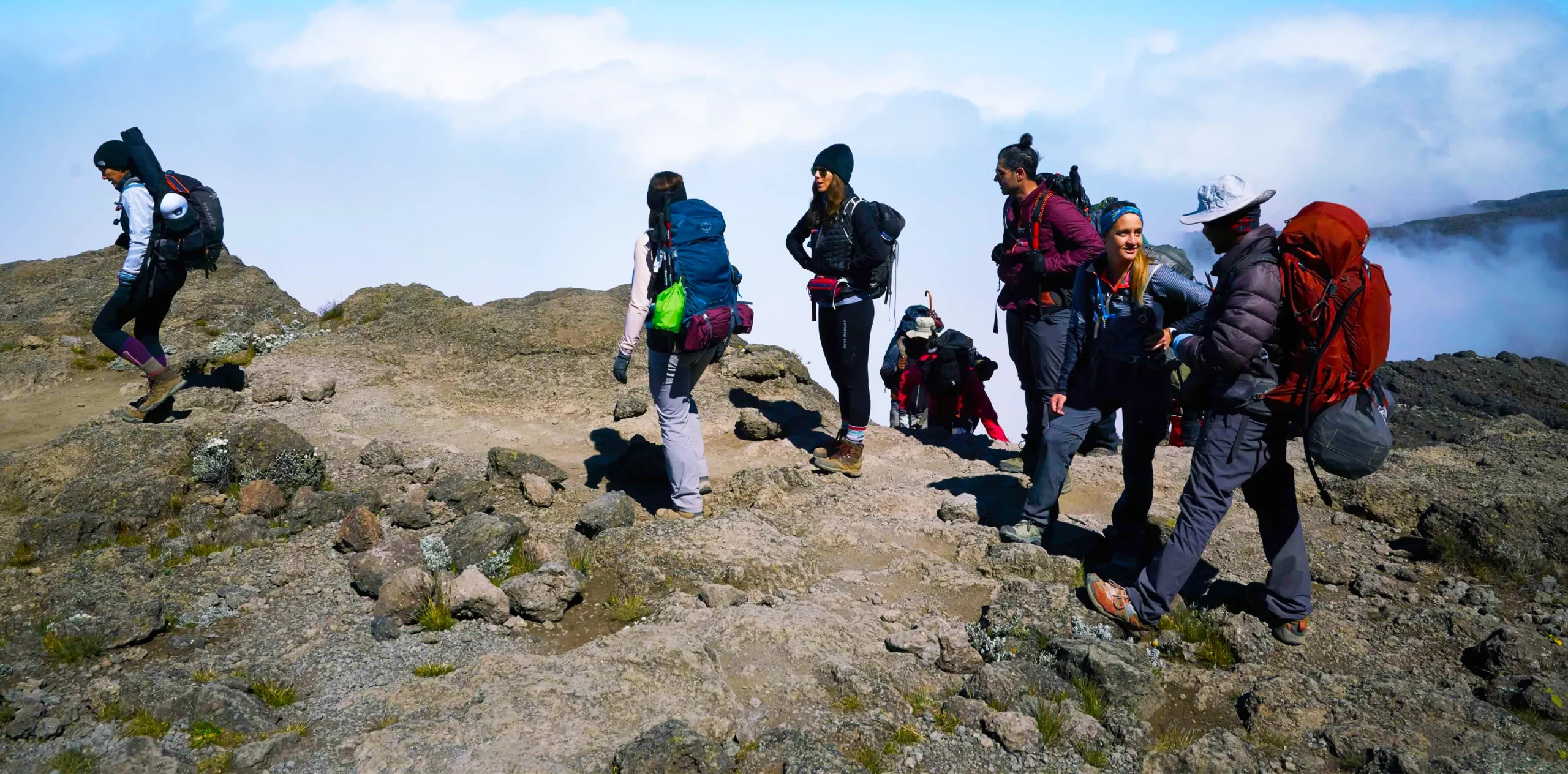
These are considered some of the best months for climbing Kilimanjaro. Weather conditions are generally dry, skies are clearer, and temperatures are more comfortable. However, this is also the busiest period, so popular routes can be crowded.
October:
Often underestimated, October can offer pleasant and stable weather, especially in the early part of the month. Trails are less crowded, providing a more peaceful trekking experience, though conditions may become less predictable toward the end.
November (Short Rainy Season):
This month brings intermittent rains, mist, and cooler temperatures. While climbing becomes more challenging, the mountain takes on a mystical atmosphere, making it especially appealing for photographers and those seeking solitude.
December to January:
This festive season attracts many climbers, making routes busier. Conditions vary, with lower slopes sometimes experiencing light rain, while higher elevations are often clearer and more stable.
Mid-January to Mid-March:
This is another excellent climbing window, offering relatively dry and stable weather conditions. Temperatures are moderate, and trekking conditions are generally favorable, although rainfall begins to increase again toward late March as the long rains approach.
Ultimately, the best time to climb Mount Kilimanjaro depends on your priorities—whether you value perfect weather, fewer crowds, or dramatic landscapes. Each season offers a different experience, making Kilimanjaro a rewarding challenge year-round for well-prepared climbers.