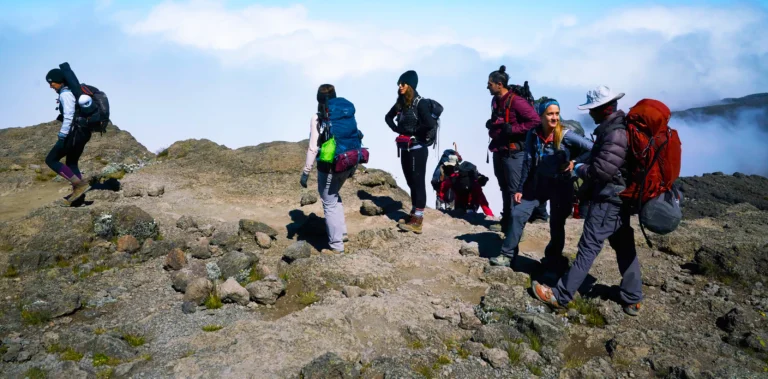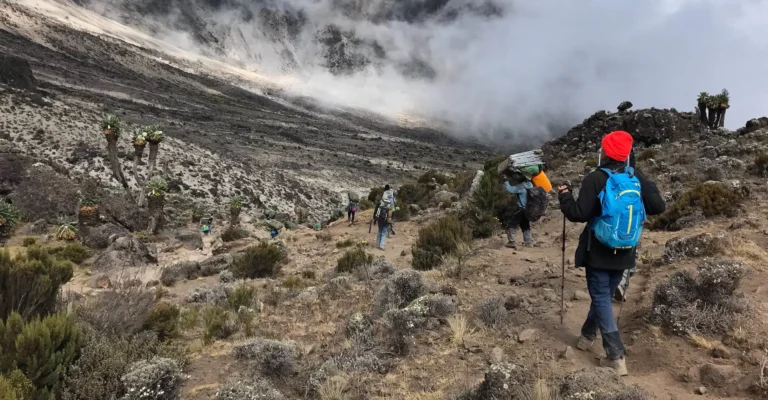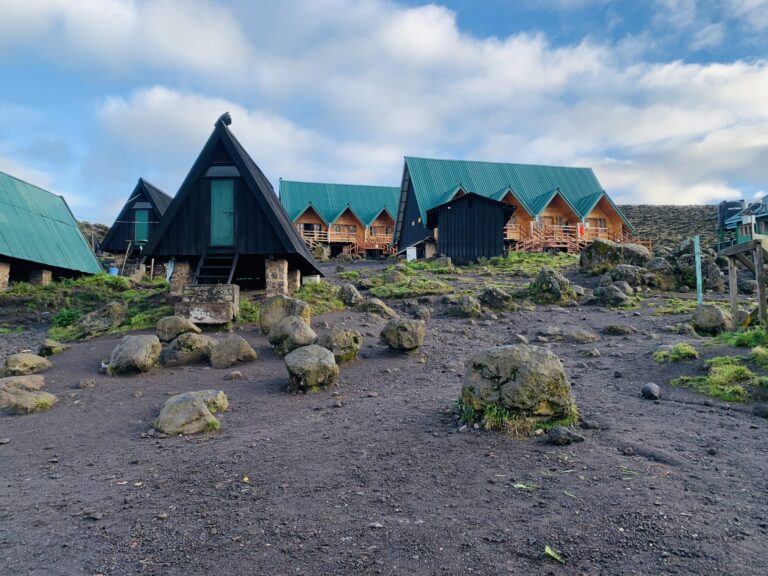
reparing for a climb on Mount Kilimanjaro is not just about fitness and mindset—it is equally about having the right gear. The mountain’s environment changes dramatically as you ascend, shifting from warm rainforest conditions to freezing alpine desert. A well-thought-out packing list ensures comfort, safety, and a higher chance of summit success.
Layering is the foundation of your clothing system. A good base layer keeps your body dry by wicking away sweat, preventing chills during rest stops and cold nights. Over this, insulating layers made from materials such as fleece or advanced fabrics like Polartec help trap body heat while still allowing breathability. Your outer shell is your first defense against harsh mountain weather—it must be windproof, waterproof, and breathable. High-performance materials such as Gore-Tex are ideal for protecting you from rain, snow, and strong winds. Proper insulation is crucial, and down jackets or synthetic alternatives like Primaloft or Polar Guard provide reliable warmth in sub-zero temperatures. With the right system in place, you stay warm, dry, and ready for each stage of the climb.
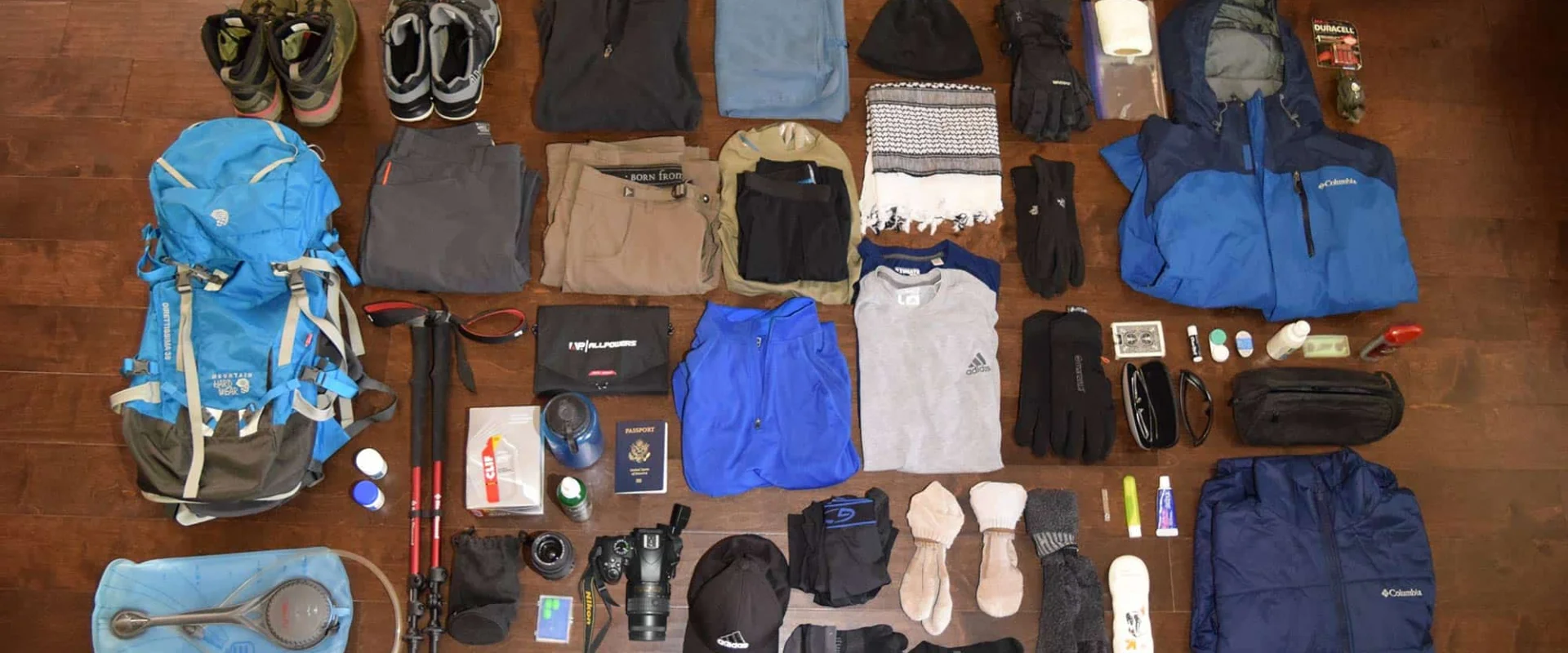
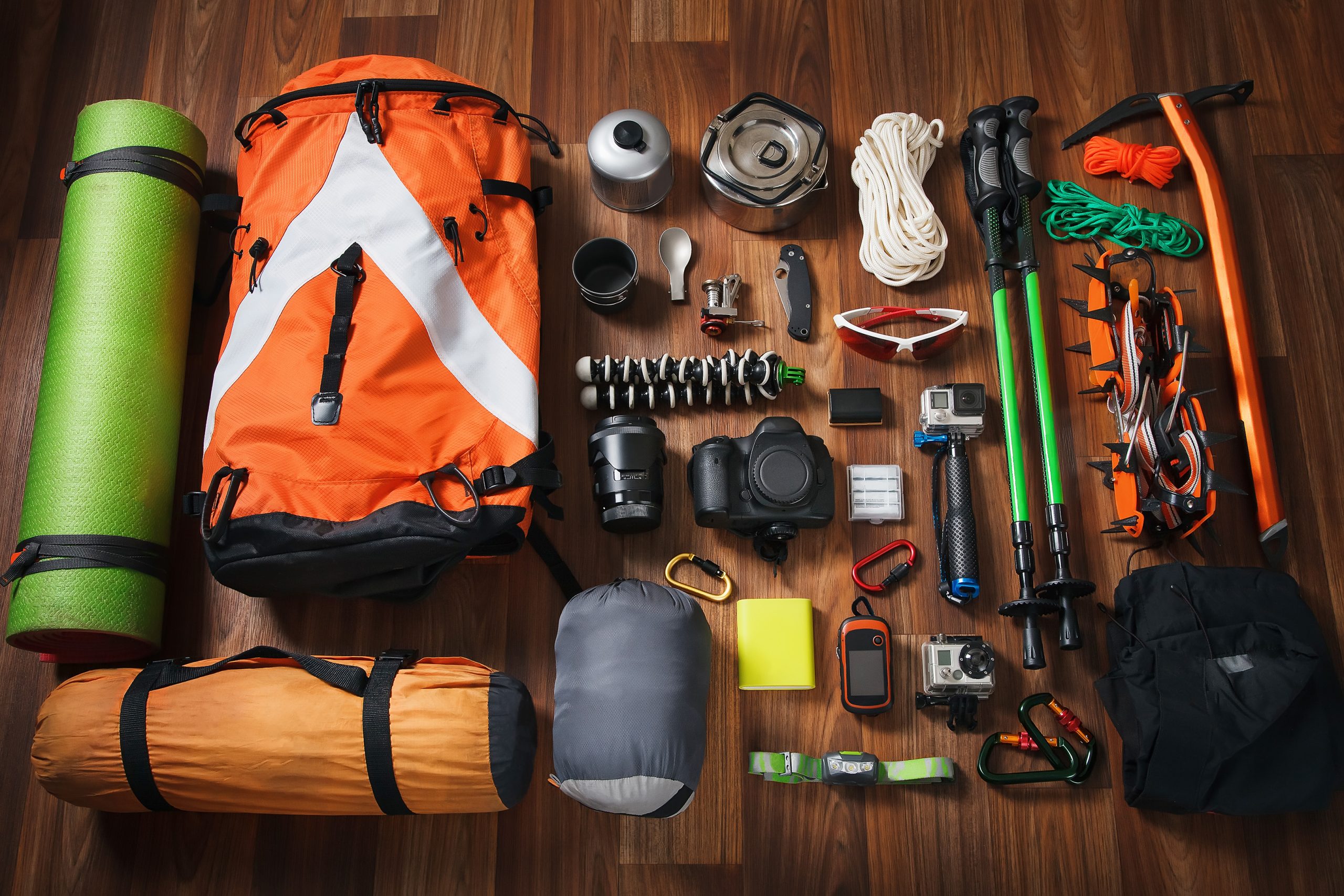
Kilimanjaro Packing List
FOR SLEEPING
- High-quality sleeping bag (rated to at least -10°C to -20°C)
- Sleeping bag liner for extra warmth and hygiene
- Inflatable or foam sleeping mat (for insulation from cold ground)
- Warm sleepwear (thermal base layers, socks, beanie)
- Earplugs (for better rest in shared tents)
FOR THE HEAD AND FACE
- Warm beanie or thermal hat
- Sun hat or cap with brim (for lower elevations)
- Balaclava or neck gaiter (for cold and wind protection)
- Sunglasses (UV protection, glacier-rated recommended)
- Headlamp with extra batteries (essential for early starts and night use)
FOR THE UPPER BODY
- Moisture-wicking base layers (short and long sleeve)
- Fleece jacket or mid-layer insulation
- Heavy down jacket (for summit night)
- Waterproof and windproof shell jacket
- Lightweight trekking shirts
FOR THE LEGS
- Moisture-wicking base layer leggings
- Insulated trekking pants
- Waterproof outer shell trousers
- Lightweight shorts (for lower, warmer zones)
FOR THE FEET
- Comfortable broken-in hiking boots (waterproof recommended)
- Warm thermal socks (multiple pairs)
- Lightweight liner socks (to prevent blisters)
- Gaiters (to keep out mud, dust, and snow)
- Camp shoes or sandals (for evenings at camp)
FOR HYDRATION
- Reusable water bottles (at least 2–3 liters total capacity)
- Hydration bladder (optional but highly recommended)
- Insulated bottle cover (to prevent freezing at high altitude)
- Water purification tablets or filter system
ADDITIONAL ITEMS
- Trekking poles (highly recommended for stability)
- Daypack (30–40L for daily essentials)
- Duffel bag (waterproof, carried by porters)
- Rain cover for backpack
- Power bank or solar charger
- Camera or smartphone for photos
- Snacks (energy bars, nuts, electrolytes)
HEALTH AND HYGIENE
- Sunscreen (SPF 30–50+)
- Lip balm with SPF protection
- Wet wipes and hand sanitizer
- Quick-dry towel
- Toilet paper (biodegradable preferred)
- Basic toiletries (toothbrush, toothpaste, etc.)
SMALL MEDICAL KIT
- Personal prescription medications
- Pain relievers (e.g., ibuprofen or paracetamol)
- Altitude sickness medication (as advised by a doctor)
- Blister treatment kit (plasters, moleskin, tape)
- Antiseptic wipes or cream
- Rehydration salts or electrolyte powder
- Bandages and small first aid essential