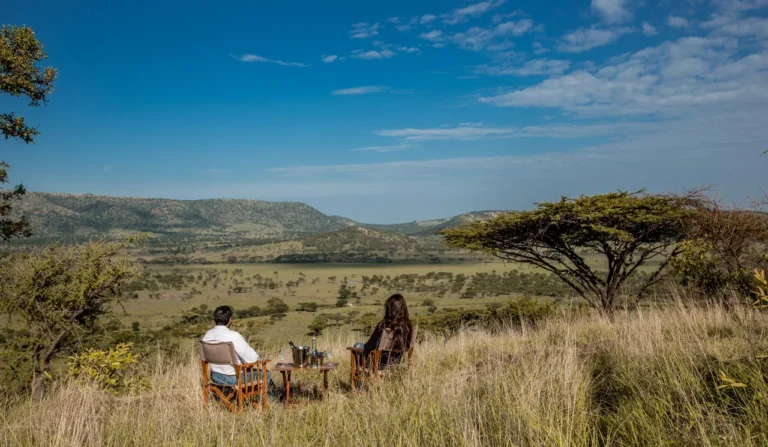
A safari in Tanzania is one of the most exciting wildlife experiences in the world. From the endless plains of the Serengeti to the dramatic landscapes of Ngorongoro and the remote wilderness of Nyerere National Park, every journey offers unforgettable encounters with Africa’s iconic wildlife. But to truly enjoy the experience, proper preparation is essential.
A well-prepared safari is not just about packing a bag—it is about understanding the environment, choosing the right time, selecting suitable clothing, and mentally getting ready for life in the wild.
Understanding the Safari Experience
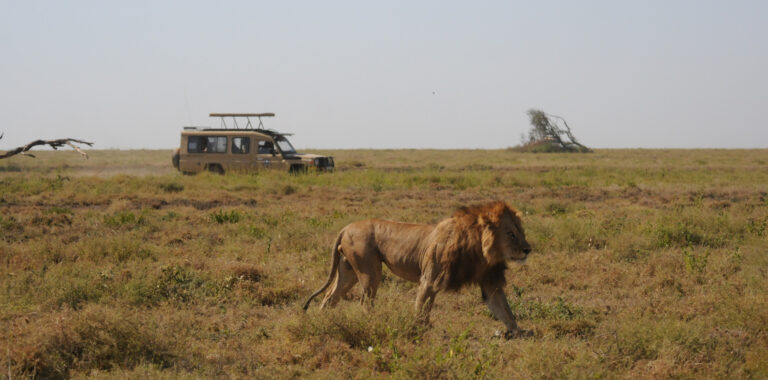
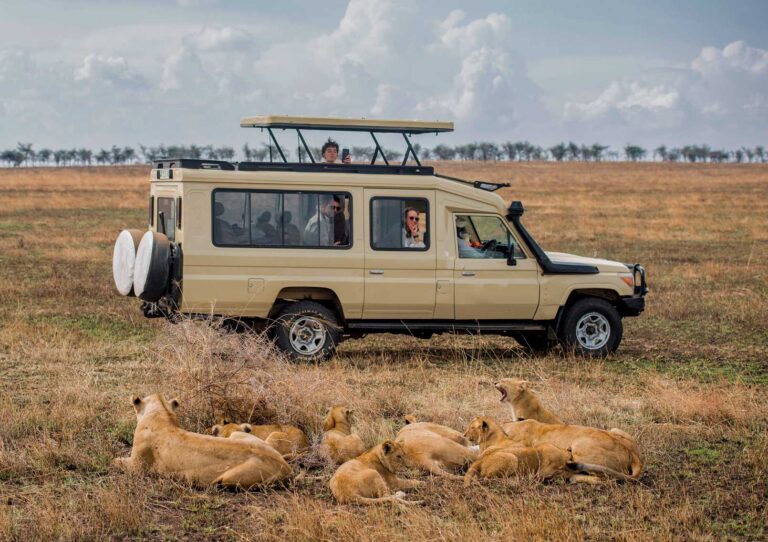
Before anything else, it helps to understand what a safari in Tanzania really involves. Unlike a city tour, safaris take place in remote natural areas where wildlife moves freely. Days are often spent in a safari vehicle tracking animals, watching behavior, and exploring vast ecosystems.
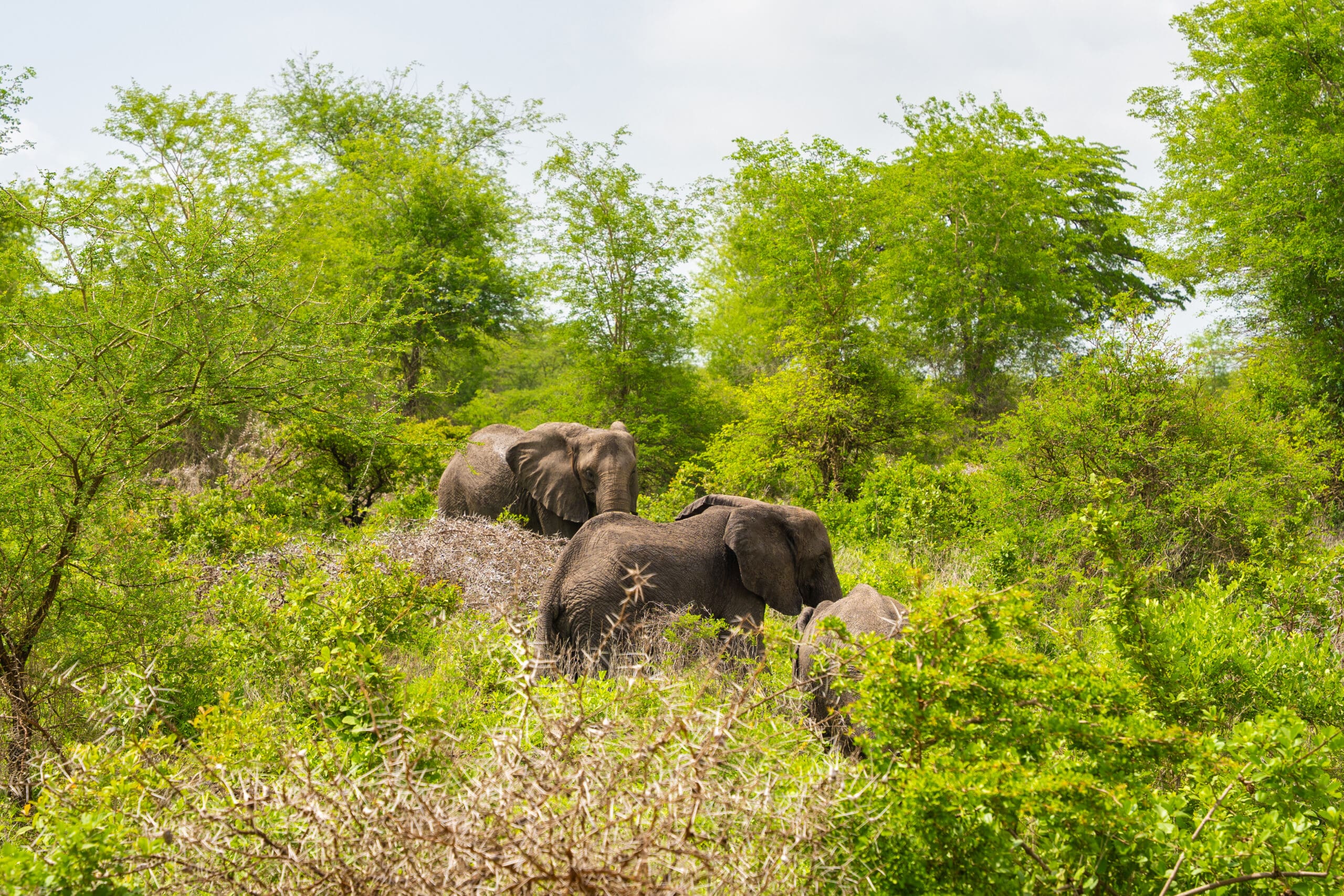
Expect early morning game drives, long hours in the bush, and limited modern conveniences in some areas. In return, you get close encounters with lions, elephants, giraffes, zebras, and countless other species in their natural habitat.
Choosing the Right Time to Travel
Timing plays a big role in safari preparation. Tanzania offers year-round wildlife viewing, but each season has its own highlights.
- Dry season (June to October): Best for game viewing as animals gather around water sources
- Green season (November to May): Lush landscapes, fewer tourists, and excellent birdwatching
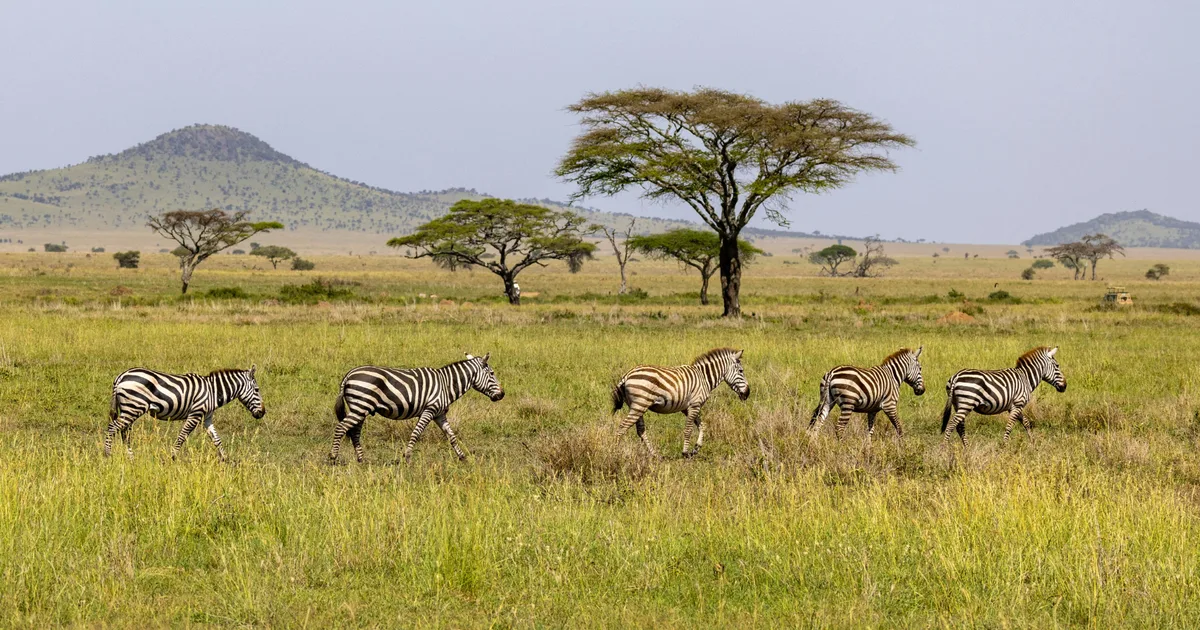
- Great Migration season (Serengeti): Movement of wildebeest and zebras depending on the month
Choosing the right season helps you prepare better in terms of clothing, expectations, and itinerary planning.
Packing the Right Clothing
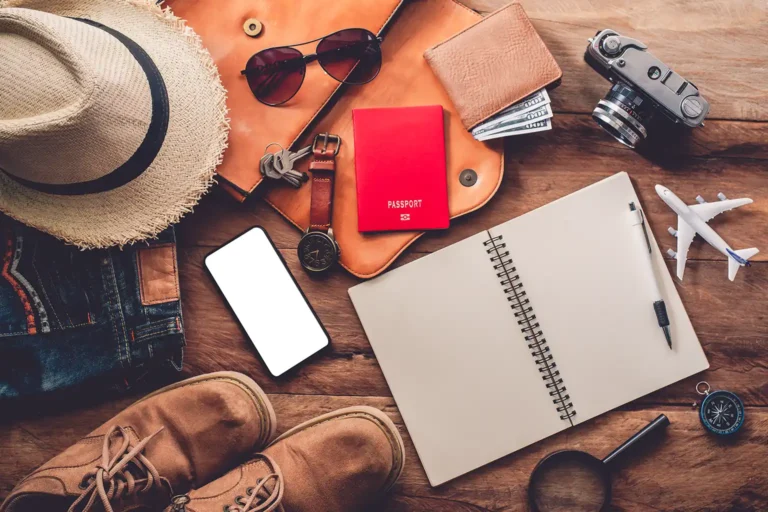
What you wear on safari matters more than many travelers realize. Comfort, practicality, and camouflage with the environment are key.
Recommended clothing includes:
- Neutral-colored clothes (khaki, brown, olive, beige)
- Lightweight shirts and trousers for daytime
- Warm jacket or fleece for early mornings and evenings
- Comfortable walking shoes or boots
- Wide-brim hat and sunglasses for sun protection
Avoid bright colors and heavy fabrics. The goal is to stay cool, comfortable, and unobtrusive in wildlife areas.
Essential Safari Gear
Besides clothing, a few important items can significantly improve your safari experience:
- Binoculars for spotting distant wildlife
- Camera with zoom lens for photography
- Sunscreen and insect repellent
- Reusable water bottle
- Small backpack for daily essentials
- Power bank for charging devices
These items help you stay prepared for long hours in the field.
Health and Safety Preparation
Before traveling on safari in Tanzania, it is important to take basic health precautions.
- Check recommended vaccinations before travel
- Carry personal medication if needed
- Use insect repellent to prevent mosquito bites
- Follow guide instructions at all times during game drives
Safari environments are generally safe when proper guidelines are followed, especially with experienced guides.
Mental Preparation for the Wild
A safari is not a zoo experience—it is unpredictable and natural. Animals are free to move, which means sightings cannot be guaranteed at specific times.
Patience is a key part of the experience. Some days may involve long drives with fewer sightings, while others may bring incredible wildlife encounters within minutes. Flexibility and curiosity make the journey more enjoyable.
Choosing the Right Safari Operator
A well-organized safari greatly improves your overall experience. Professional guides understand animal behavior, weather conditions, and park routes, making your trip safer and more rewarding.
Operators like experienced local companies ensure:
- Well-maintained safari vehicles
- Knowledgeable guides
- Proper park logistics
- Comfortable accommodations
A good guide often makes the difference between a simple trip and a once-in-a-lifetime experience.
Accommodation Preparation
Safari accommodation in Tanzania ranges from luxury lodges to tented camps and budget lodges. Each option offers a different level of comfort and immersion in nature.
Tented camps provide a close-to-nature experience, while lodges offer more comfort and amenities. It is important to choose accommodation that matches your budget and travel style.
Preparing for a safari in Tanzania is about balancing practicality, comfort, and awareness. With the right clothing, gear, timing, and mindset, your safari becomes more than just a holiday—it becomes a deep connection with nature.
From the first sunrise game drive to the final sunset over the savannah, a well-prepared traveler experiences Tanzania’s wilderness in its most authentic and unforgettable form.