Understanding Tanzania’s weather is an important part of planning a successful safari, as climate conditions strongly influence both landscapes and wildlife behavior. Tanzania experiences a tropical climate that varies widely depending on region, altitude, and geography. From the warm coastal zones to the cool highlands, each environment offers a distinct travel experience that shapes your overall safari journey.
Whether you are exploring the endless plains of the Serengeti National Park or the misty highlands of the Ngorongoro Conservation Area, being aware of seasonal weather patterns helps you choose the most suitable time for your adventure.
Climate Variations Across Tanzania
Tanzania’s weather is not uniform; it changes significantly from one region to another, creating a rich variety of safari environments.
Coastal areas such as Dar es Salaam and Zanzibar are generally hot and humid throughout the year. The tropical ocean breeze keeps conditions warm, but humidity can rise, especially during rainy months. These regions are ideal for beach holidays and coastal relaxation.
Inland safari regions like Arusha, the Ngorongoro highlands, and the Mount Kilimanjaro slopes experience much cooler and more comfortable temperatures. Days are typically mild and pleasant, while mornings and evenings can be quite cold due to higher altitude. These conditions are perfect for safaris, trekking, and outdoor exploration.
Tanzania Weather by Seasons
Dry Season
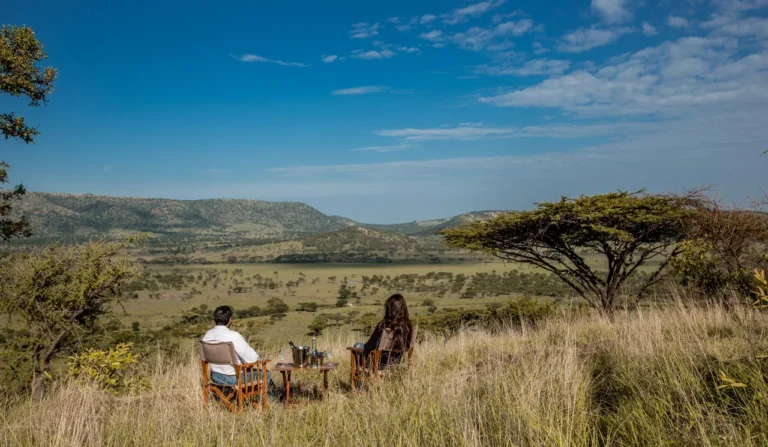
The dry season in Tanzania typically runs from June to October, with a shorter dry spell between January and February. During this period, weather conditions are mostly sunny, stable, and warm, making it one of the best times for safari travel.
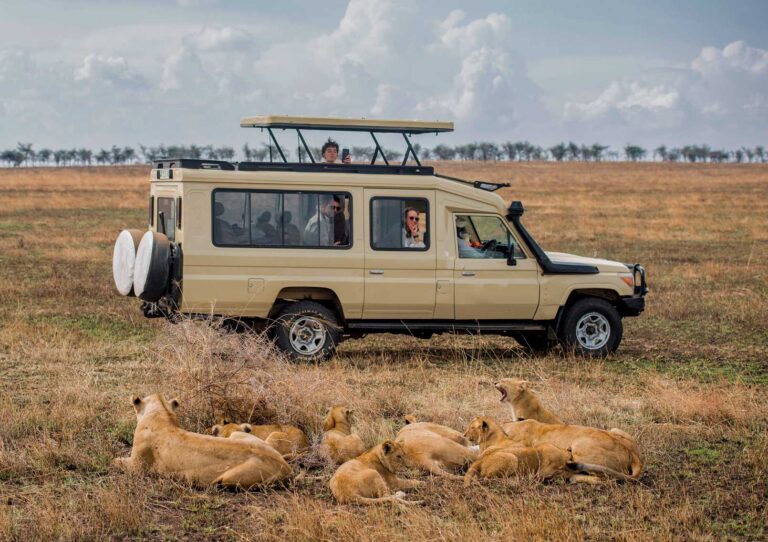
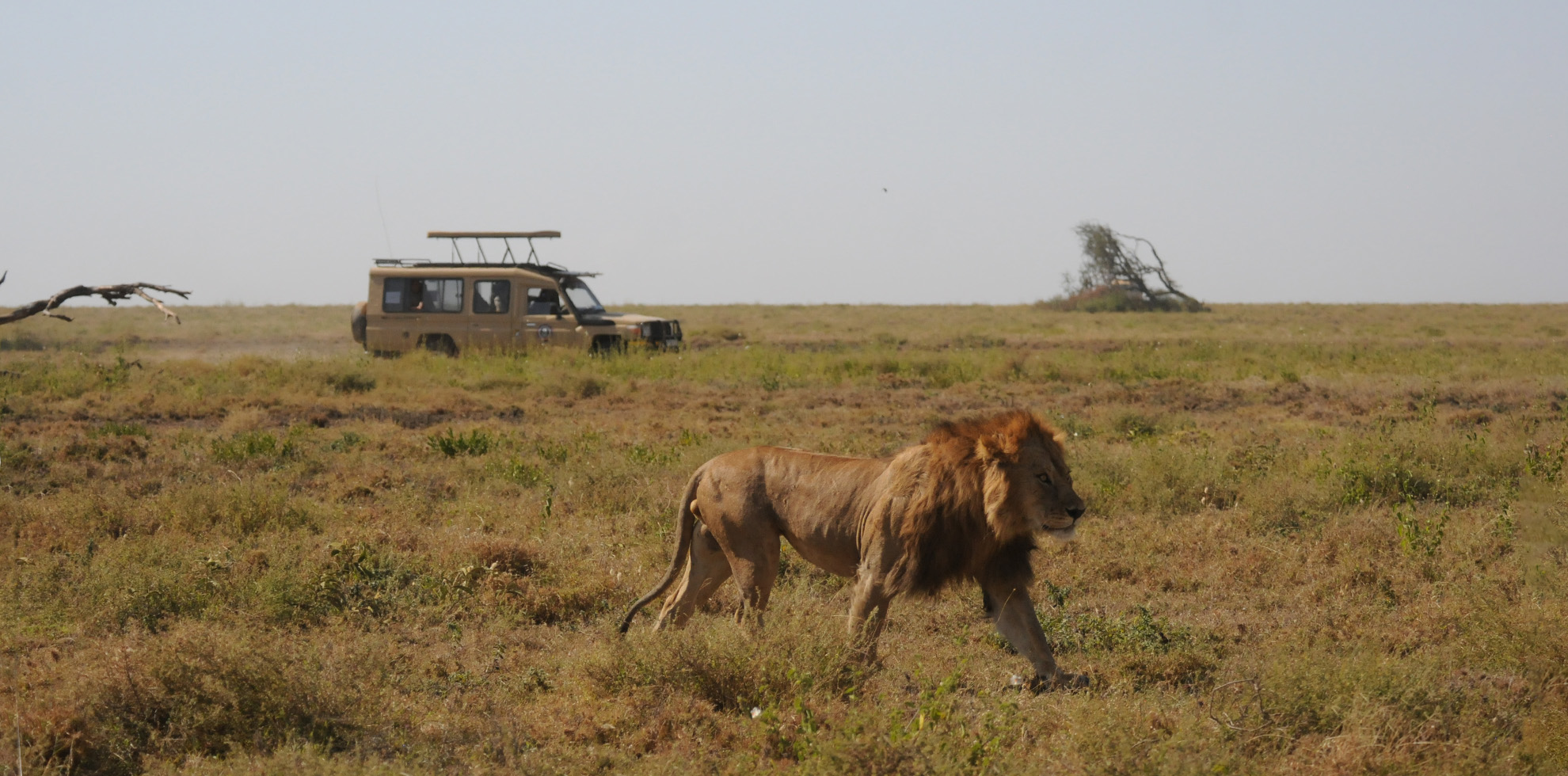
Clear skies and minimal rainfall create excellent wildlife viewing opportunities, as animals gather around rivers and water sources. The vegetation becomes thinner, improving visibility and making game spotting easier. Roads and safari tracks are also in better condition, allowing smooth movement between parks.
In highland areas, temperatures remain cooler, especially during early mornings and evenings, providing a refreshing contrast to the warm daytime safari experience.
Wet Season
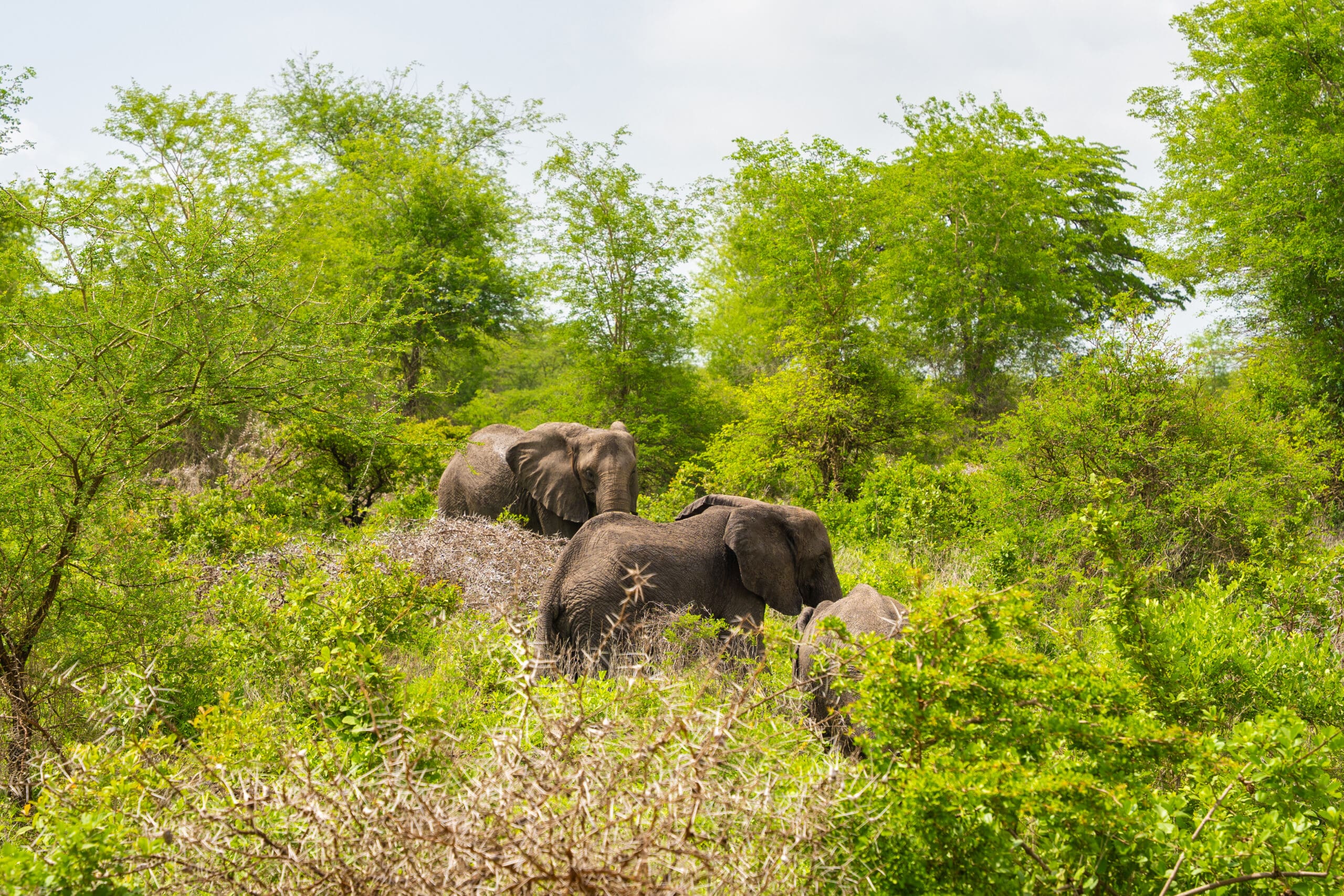
Tanzania’s wet season is divided into the long rains (March to May) and the short rains (October to December). These periods bring intermittent rainfall that transforms the country into a lush, green landscape full of life.
Although occasional showers may affect travel plans, the scenery during this time is at its most vibrant and photogenic. Safari parks are quieter, offering a more private and peaceful experience away from peak-season crowds.
This season is also excellent for wildlife enthusiasts, as it coincides with birthing periods for many species. Newborn animals, active predators, and migratory birds make the experience especially dynamic and rewarding.
How Weather Influences Wildlife in Tanzania
Weather plays a major role in shaping animal behavior and movement patterns across Tanzania’s ecosystems.
During the dry season, wildlife tends to concentrate around permanent water sources such as rivers, lakes, and waterholes. This makes animals easier to locate and observe, creating ideal conditions for photography and game drives.
In the wet season, abundant rainfall spreads water and food across the landscape, allowing animals to disperse more widely. While sightings may require more patience, the environment becomes richer and more dynamic, offering a true sense of wilderness.
Seasonal changes also influence migration routes, breeding cycles, and predator-prey interactions, ensuring that every safari experience is unique and unpredictable in its own way.
Choosing the Best Time Based on Weather
The ideal time to visit Tanzania depends on your personal travel preferences. For those who prioritize clear conditions and easy wildlife sightings, the dry season is the best choice. For travelers seeking lush landscapes, fewer crowds, and a more relaxed atmosphere, the wet season provides a beautiful alternative.
Each season offers its own advantages, making Tanzania a rewarding destination throughout the year.
Why Travel with Oneten Safari
At Oneten Safari, we use our deep understanding of Tanzania’s weather patterns and seasonal changes to help you plan the perfect safari. Our team carefully designs itineraries that align with the best conditions for wildlife viewing, comfort, and overall experience.
With strong local expertise and personalized service, we ensure every journey is well-timed and thoughtfully crafted for maximum enjoyment.
Final Thoughts
Tanzania’s climate is a key factor in shaping the diversity and beauty of its safari experiences. From dry, sunlit savannahs to lush green landscapes after the rains, each season reveals a different side of the country.
With proper planning and expert guidance from Oneten Safari, you can enjoy Tanzania at its very best—no matter when you choose to travel.